Geographical Location and Dimensions

The Gulf of Carpentaria is a notable geographical marvel located in the northern region of Australia. It is an epicontinental sea, a distinct shallow water body atop a continent. This intriguing geographical feature is positioned between the Cape York Peninsula and Arnhem Land of the Northern Territory. It unfolds over an extensive area of approximately 300,000 square kilometres, providing a habitat for a vibrant array of marine life.
Geological Composition
The Gulf of Carpentaria is a unique geographical formation with a highly intriguing geological structure. It shares a common continental shelf with Australia and New Guinea. A distinctive ridge extends across the Torres Strait, isolating the gulf floor from the Coral Sea. A second ridge separates the banda basin in the Arafura Sea from the gulf floor as it stretches northward from the Wessel Islands.
Shallow Depths
The Gulf of Carpentaria is notably shallow, with an average depth varying between 55 and 66 meters and a maximum depth of 82 meters. This shallow depth is a result of a very gentle gradient, with the western plains of Queensland sloping northwards into the Gulf. This unique feature contributes to the Gulf’s status as an epicontinental sea.
Mineral Resources
The Gulf of Carpentaria gained international recognition in the late 20th and early 21st centuries following the discovery and exploitation of several mineral resources. It houses huge deposits of manganese and bauxite, which have significantly contributed to its economic significance. Groote Eylandt near Weipa on the Cape York Peninsula and Gove Peninsula in Arnhem Land are the sites where these enormous quantities are mined.
Prawn Fishing Industry

The Gulf of Carpentaria is a hotspot for prawn fishing. Starting in the late 1960s, the area saw fast industrial growth. Located at the Gulf’s southeastern tip, the town of Karumba is a key hub for the prawn fishing business, with banana prawns being the main catch. This industry has contributed significantly to the local economy and has attracted several thousand inhabitants to the shores and islands of the Gulf.
Dutch Exploration
The Gulf of Carpentaria has a rich history of exploration.The Dutch were the pioneers in exploring the eastern coast of the Gulf, beginning in 1605 and continuing until 1628. Famous explorer Abel Tasman found the western and southern shores in 1644.The Gulf was named in honor of Pieter de Carpentier, the governor-general of the Dutch East Indies from 1623 to 1627.
Indigenous Australian Inhabitants
Numerous indigenous Australians lived in the Gulf region prior to the arrival of European explorers. These indigenous communities primarily spoke Aboriginal languages like Yulluna and Kayardild. The indigenous communities continue to play an important role in the preservation and understanding of the Gulf’s rich cultural and historical significance.
Unique Marine Ecosystem
The Gulf of Carpentaria is home to a vibrant marine ecosystem. Its warm, shallow waters provide a suitable habitat for a variety of marine life, including various coral species. The Gulf’s water conditions, coupled with its rich mineral resources, make it an important area for biological diversity.
Recreational Fishing and Tourism
The Gulf of Carpentaria is a popular destination for recreational fishing and tourism. It offers an array of fishing opportunities, with barramundi, Spanish mackerel, giant trevally, queenfish, and mangrove jack being the primary targets for anglers. In addition to its plenty of lodging choices and breathtaking landscapes, the Gulf is the perfect holiday destination for those who love fishing and the great outdoors.
Climate and Weather
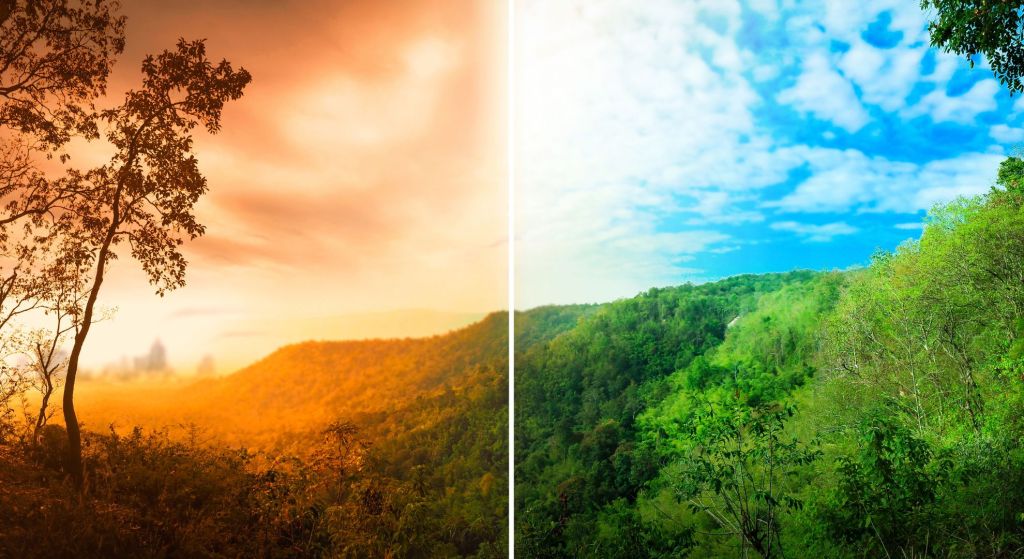
The Gulf of Carpentaria experiences a hot and humid climate with two annual seasons.During the months of April through November, it is dry, and from December through March, it is wet. This climate influences the Gulf’s marine ecosystem, creating perfect conditions for the growth of phytoplankton, which forms the base of the food chain.
By incorporating these 10 Gulf Of Carpentaria Facts You Must Know, we hope to inspire a deeper appreciation for this unique geographical region. Its rich history, vibrant marine ecosystem, and significant economic contributions make the Gulf of Carpentaria a noteworthy feature of Australia’s northern coast. By understanding its significance, we can better appreciate its importance and contribute to its preservation for future generations.