


Port of Belgrade: Gateway to the Balkans

A thriving maritime centre that connects Serbia to the Balkans and beyond, the Port of Belgrade is located at the junction of the powerful rivers Danube and Sava. With a history dating back centuries, this port has witnessed the ebb and flow of trade along the Danube, playing a pivotal role in the region’s economic development. Today, it stands as one of the largest river ports in Southeast Europe, handling a diverse range of cargo, including containers, bulk goods, and petroleum products. Its strategic location, modern infrastructure, and efficient operations make it a vital link in Serbia’s transportation network, facilitating both domestic and international trade.
Port of Novi Sad: Bridging Past and Present
Located on the banks of the Danube River, the Port of Novi Sad embodies the rich history and dynamic spirit of Vojvodina’s capital. From its medieval fortress overlooking the river to its bustling waterfront lined with cargo ships, this port seamlessly blends the old with the new. Trade and industry, especially in agricultural goods, machinery, and building materials, rely heavily on it due to its status as an important transit hub in northern Serbia. Beyond its economic significance, the Port of Novi Sad serves as a cultural landmark, connecting the region’s past with its vibrant present.
Port of Pancevo: Industrial Heartland
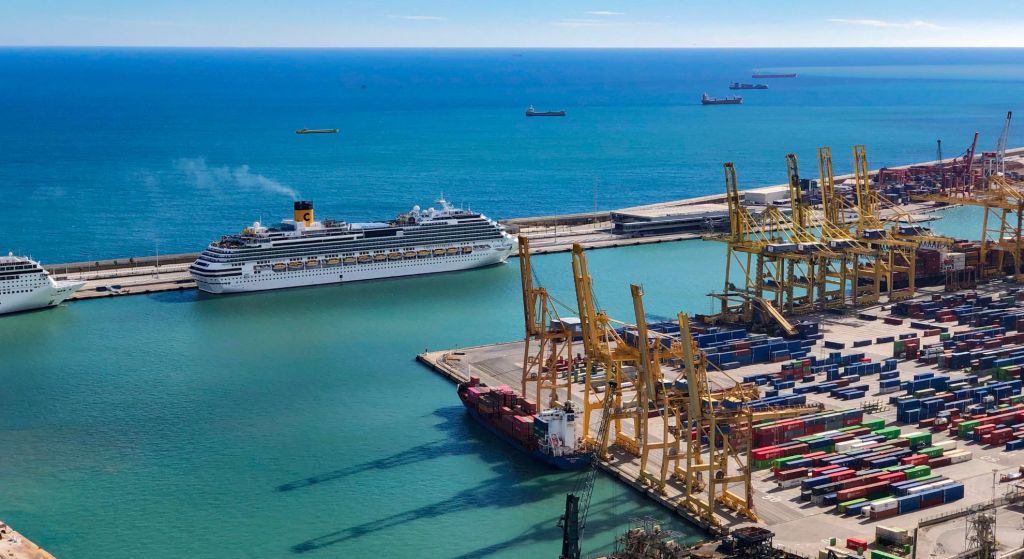
Nestled on the banks of the Tamiš River, a tributary of the Danube, lies the Port of Pancevo, a vital artery in Serbia’s industrial heartland. With a history rooted in manufacturing and commerce, Pancevo has emerged as a key player in the country’s maritime sector. The port primarily handles bulk cargo, including grains, ores, and chemicals, supporting various industries in the region. Despite facing challenges such as fluctuating water levels and environmental concerns, the Port of Pancevo remains resilient, contributing to Serbia’s economic growth and regional integration.
Port of Smederevo: Gateway to Central Serbia
Perched on the banks of the Danube River, the Port of Smederevo holds a strategic position in central Serbia, serving as a vital link between the country’s interior and the rest of the world. Once home to a medieval fortress and renowned ironworks, Smederevo has evolved into a modern industrial and transportation hub. The port serves the needs of local industry by handling a wide variety of goods, such as agricultural products, minerals, and building supplies. With its modern infrastructure and efficient operations, the Port of Smederevo continues to play a crucial role in Serbia’s economic development and integration with the global market.
Port of Apatin: Tranquility on the Danube
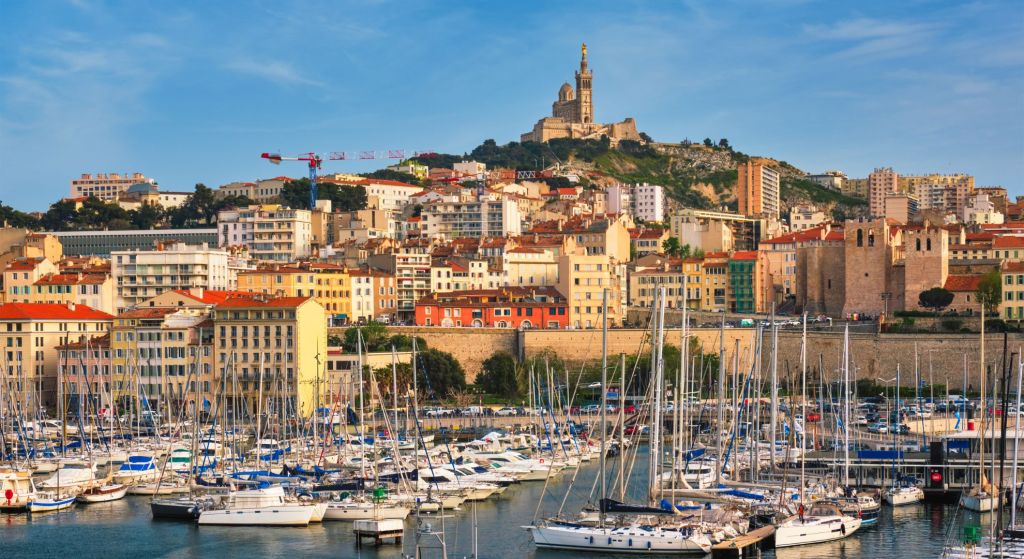
Tucked away in western Serbia, along the serene banks of the Danube River, lies the Port of Apatin, a hidden gem waiting to be discovered. Apatin may be smaller than some of Serbia’s other ports, but it more than makes up for its size in character and importance to the country’s nautical history. People go great distances to see Apatin because of its rich history and beautiful scenery. The port’s ability to process a wide range of goods—from agricultural produce and lumber to consumer goods—helps the local economy and promotes collaboration among neighbouring regions. With its tranquil ambience and strategic location, the Port of Apatin serves as a reminder of the enduring legacy of Serbia’s waterways.
The importance of Serbia’s ports to the country’s economy and regional connectivity becomes clear as we near the end of our river cruise through the country. From the bustling Port of Belgrade to the tranquil Port of Apatin, each port tells a story of resilience, adaptability, and innovation. As Serbia continues to chart its course in the global economy, its waterways will remain a cornerstone of its prosperity, connecting the country to new opportunities and forging bonds of cooperation with its neighbours. So, whether you’re a traveller seeking adventure or a trader in search of new markets, Serbia’s ports offer a gateway to endless possibilities on the river’s edge.


