Technological Innovations of Soviet Era Fighter Jets
The Soviet Union, throughout the Cold War era, was a powerhouse in the development of military technology, particularly in the aviation sector. Soviet-era fighter jets are renowned for their groundbreaking technological innovations, many of which significantly influenced modern aerial combat. The strategic importance placed on air superiority led to the development of fighter jets that were robust and durable and equipped with advanced technologies that often surpassed those of their Western counterparts. This article explores the critical technological innovations that made Soviet-era fighter jets formidable in their time and continues to be of interest today.
The Evolution of Soviet Fighter Jet Technology
Early Innovations: Setting the Stage
In the aftermath of World War II, the Soviet Union embarked on a mission to modernize its air force, drawing lessons from the war and leveraging captured German technology. The development of jet propulsion was a breakthrough during this period. The introduction of the Mikoyan-Gurevich MiG-15 in the late 1940s marked the beginning of a new era for Soviet aviation. This aircraft, equipped with a powerful turbojet engine, could reach speeds previously unattainable by propeller-driven planes. The MiG-15’s success in the Korean War demonstrated the effectiveness of Soviet jet technology and established the USSR as a leader in fighter jet innovation.
The Cold War Arms Race: Pushing Technological Boundaries
As the Cold War intensified, so did the competition between the United States and the Soviet Union to achieve air superiority. This period saw rapid technological advancements as both superpowers sought to outdo each other. The Soviets responded by introducing American supersonic jets with their high-speed aircraft. The MiG-21, introduced in the late 1950s, became one of the most iconic fighter jets of the era. Its delta wing design, afterburner-equipped engine, and ability to exceed Mach 2 made it a formidable adversary in aerial engagement.
The Sukhoi Su-7, another key innovation of this period, featured a swept-wing design that enhanced high-speed performance. The Su-7’s development laid the groundwork for future generations of Soviet fighter jets, emphasizing the importance of speed, agility, and firepower in aerial combat.
Technological Breakthroughs in Soviet Era Fighter Jets
Jet Propulsion: Powering the Future
One of the most significant technological advancements in Soviet fighter jets was the development of jet propulsion. This technology allowed for unprecedented speed and altitude capabilities. The transition from propeller-driven aircraft to jets was pivotal in military aviation, and the Soviet Union was at the forefront of this revolution. The turbojet engines used in aircraft like the MiG-15 and MiG-17 were robust and reliable, giving Soviet pilots a significant advantage in combat.
As jet technology evolved, so did the complexity and performance of the engines. By the 1960s, Soviet engineers had developed afterburning turbojets, which provided an additional thrust by injecting fuel into the exhaust stream, allowing aircraft like the MiG-21 and MiG-23 to reach supersonic speeds.
Aerodynamics and Aircraft Design
Aerodynamic design was another area where Soviet engineers excelled. The delta wing design of the MiG-21, for example, was a groundbreaking innovation that allowed for more excellent stability and maneuverability at high speeds. This design choice was instrumental in the MiG-21’s success and was later adopted by many other fighter jets worldwide.
The development of variable-sweep wings, as seen in the MiG-23, was another significant aerodynamic innovation. This technology allowed the wings to change their sweep angle during flight, optimizing the aircraft’s performance for different speeds and flight conditions. This adaptability made the MiG-23 a versatile and practical fighter in various combat scenarios.

Avionics and Weapon Systems
Soviet-era fighter jets were also notable for their advanced avionics and weapon systems. The introduction of radar-guided missiles in the 1960s marked a significant leap in aerial combat capabilities. Aircraft like the MiG-21 and Su-9 had radar systems to track and engage enemy aircraft beyond visual range, a critical capability in the Cold War’s high-speed engagements.
The Soviets also developed a range of air-to-air and air-to-ground missiles integrated into their fighter jets. The K-13 (NATO reporting name: AA-2 “Atoll”) was one of the first Soviet infrared homing missiles designed to compete directly with the American AIM-9 Sidewinder. These missiles, combined with the improved radar systems, made Soviet fighters highly effective in both offensive and defensive roles.
The Impact of Soviet Technological Innovations
Influence on Global Aviation
The technological innovations developed by the Soviet Union during this period had a lasting impact on global aviation. Other countries later adopted many of the design principles and technologies pioneered by Soviet engineers. The MiG-21, in particular, became one of the most widely produced and exported fighter jets in history, serving in the air forces of over 50 countries. Its simplicity, reliability, and effectiveness made it famous in many nations, particularly the developing world.
The influence of Soviet technology can also be seen in the design of modern fighter jets. The focus on speed, maneuverability, and advanced avionics set the standard for future generations of aircraft, both in the Soviet Union and beyond.
Legacy and Modern Applications
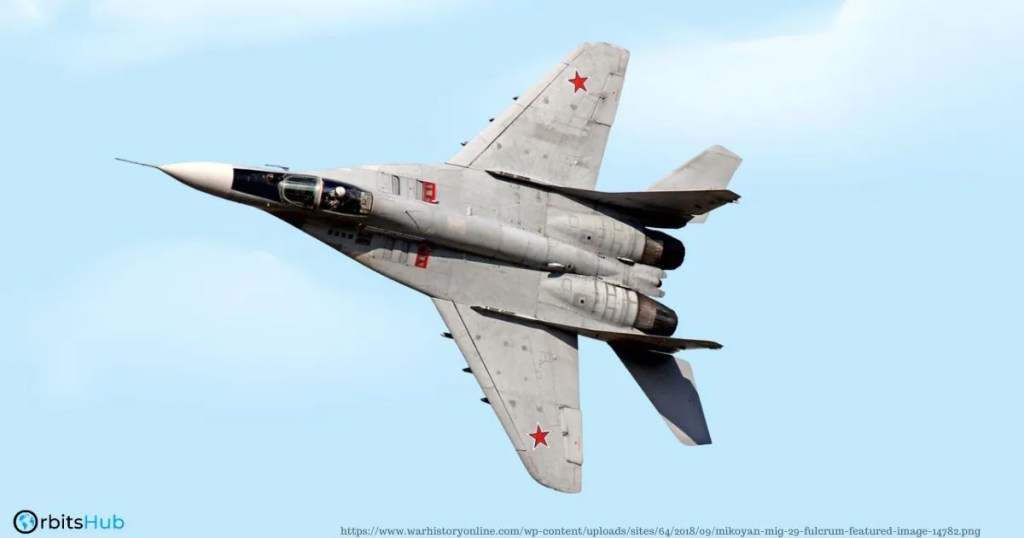
Even after the dissolution of the Soviet Union, the legacy of its fighter jet technology continues to be felt. Many aircraft developed during this period are still in service, either in their original form or upgraded versions. The MiG-29, for example, remains a vital component of the Russian Air Force, as well as the air forces of several other countries.
The technological advancements made by Soviet engineers have also influenced the development of modern Russian fighter jets, such as the Sukhoi Su-35 and the fifth-generation Su-57. These aircraft continue to build on the innovations of their predecessors, incorporating advanced stealth technology, improved avionics, and more powerful engines.
The technological innovations of Soviet-era fighter jets were a testament to the ingenuity and resourcefulness of Soviet engineers. From the early development of jet propulsion to the advanced avionics and weapon systems of the later models, these aircraft set new standards in military aviation. They left a lasting legacy that continues to influence the design of modern fighter jets. Despite the challenges and limitations faced by these aircraft, their impact on global aviation is undeniable.
For those interested in exploring the rich history and technological advancements of Soviet-era fighter jets, OrbitsHub offers expert consultancy services in maritime and aviation. Whether you’re looking to delve deeper into the technical aspects or understand their strategic significance, OrbitsHub can provide the insights you need to navigate the complex world of aviation history.