The Impact of Supersonic Aircraft: A Revolution in Aviation
The advent of supersonic aircraft marked a significant turning point in aviation history, ushering in a new era of speed and technological innovation. These aircraft, capable of traveling faster than the speed of sound, have not only transformed military aviation but also held the promise of revolutionizing commercial air travel. From the legendary Concorde to the cutting-edge designs of the 21st century, supersonic aircraft have captivated the imagination of engineers, pilots, and passengers alike.
The Evolution of Supersonic Aircraft
The Birth of Supersonic Flight
The journey towards supersonic flight began in the early 20th century, with engineers and scientists striving to break the sound barrier. The sound barrier, a phenomenon where an aircraft experiences a drastic increase in aerodynamic drag as it approaches the speed of sound, was considered an insurmountable obstacle for many years. However, in 1947, Chuck Yeager, flying the Bell X-1, became the first pilot to break the sound barrier, achieving supersonic speed and proving that controlled supersonic flight was possible.
This achievement paved the way for the development of supersonic aircraft, particularly in the military sector. During the Cold War, the race for air superiority created several iconic supersonic fighter jets, such as the F-104 Starfighter, the MiG-21, and the SR-71 Blackbird. These aircraft demonstrated the immense potential of supersonic flight in terms of speed, agility, and strategic advantage.
The Concorde and Commercial Supersonic Travel
While military applications of supersonic aircraft flourished, the dream of commercial supersonic travel also began to take shape. The most notable realization of this dream was the Concorde, a joint venture between British and French aerospace manufacturers. Introduced in the 1970s, the Concorde could cruise at speeds of Mach 2.04, cutting transatlantic flight times in half and offering passengers an unparalleled travel experience.
The Concorde was a marvel of engineering, with its delta wing design, advanced materials, and afterburner-equipped engines. However, despite its technological prowess, the Concorde faced numerous challenges, including high operating costs, noise concerns, and limited passenger capacity. In 2003, Concorde retired due to these causes: the economic slump and the terrible 2000 disaster of Air France Flight 4590.
Technological Innovations in Supersonic Aircraft
Advanced Aerodynamics and Materials
Aerodynamics is one of the critical areas of innovation in supersonic aircraft design. To achieve and sustain supersonic speeds, aircraft must overcome significant aerodynamic challenges, including shock waves, high drag, and heat. Engineers have developed advanced aerodynamic designs, such as the area rule and swept wings, to minimize drag and improve fuel efficiency.
Materials science has also played a crucial role in the evolution of supersonic aircraft. High-strength, lightweight materials like titanium and carbon composites have been used to construct airframes that can withstand the extreme stresses and temperatures encountered at supersonic speeds. These materials not only enhance the structural integrity of the aircraft but also contribute to weight reduction, further improving performance.
Noise Reduction and Environmental Considerations
One of the significant challenges associated with supersonic flight is noise pollution, particularly the sonic boom—a loud noise generated when an aircraft exceeds the speed of sound. Sonic booms have been a significant barrier to the widespread adoption of supersonic travel, as they can disrupt communities and wildlife.
Researchers have been developing technologies to reduce or eliminate sonic booms to address this issue. One approach involves designing aircraft with modified shapes that produce quieter “low-boom” signatures. NASA’s X-59 QueSST (Quiet Supersonic Transport) is a leading example of this effort, aiming to demonstrate that supersonic flight can be achieved without generating disruptive sonic booms.
Environmental considerations have also become increasingly important in the development of supersonic aircraft. Engineers are developing fuel-efficient engines and investigating alternate fuels to lessen supersonic travel’s environmental impact due to climate change and carbon emissions.
Challenges Facing Supersonic Aircraft
Economic Viability
Despite the technological advancements in supersonic aircraft, economic viability remains a significant challenge. The high cost of developing, manufacturing, and operating supersonic aircraft has historically limited their adoption, particularly in the commercial sector. The Concorde, for instance, struggled with profitability due to its high operating costs and limited market demand.
To make supersonic travel economically viable, manufacturers and airlines must find ways to reduce costs, increase passenger capacity, and create a sustainable business model. This may involve new approaches to aircraft design, production, operations, and partnerships with governments and private investors.
Public Perception and Acceptance
Public perception is also a crucial factor in the success of supersonic aircraft. While the allure of faster travel is undeniable, concerns about safety, noise, and environmental impact have shaped public opinion. The crash of the Concorde, for example, had a lasting effect on the perception of supersonic travel as risky and unsustainable.
To change this perception, manufacturers and airlines must focus on transparent communication, highlighting the advancements in safety, comfort, and sustainability that modern supersonic aircraft offer. For supersonic travel to become widely used, people must trust it.
The Future of Supersonic Aircraft
The Return of Commercial Supersonic Travel
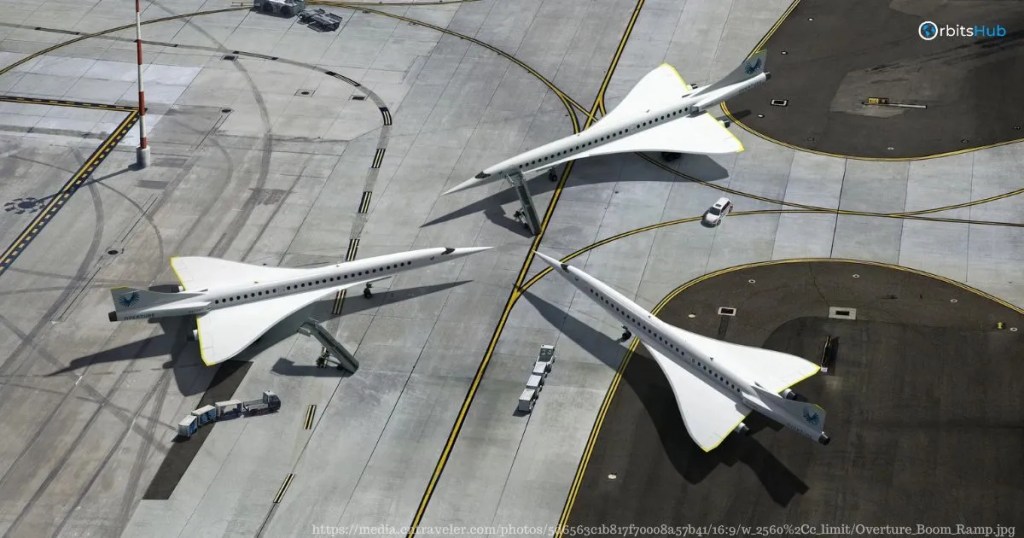
Despite the challenges, the dream of commercial supersonic travel is still alive. Several companies, including Boom Supersonic and Aerion, are actively developing next-generation supersonic jets to make fast, efficient, and environmentally friendly travel a reality. These new aircraft promise to overcome the limitations of the Concorde, offering more excellent range, lower operating costs, and reduced environmental impact.
Take Boom Supersonic’s Overture as an example. This environmentally conscious vessel can transport 88 people at Mach 2.2 speeds. To meet stringent environmental standards, the aircraft will use 100% sustainable aviation fuel (SAF) and incorporate noise reduction technologies. If successful, the Overture could usher in a new era of commercial supersonic travel, making it accessible to a broader audience.
Hypersonic Travel: The Next Frontier
While supersonic aircraft have revolutionized aviation, the next frontier is hypersonic travel—speeds exceeding Mach 5. Hypersonic aircraft have the potential to reduce global travel times to mere hours, opening up new possibilities for both commercial and military applications.
Research and development in this area are ongoing, with projects like NASA’s X-43 and the U.S. Air Force’s X-51 Waverider leading the way. These experimental aircraft have demonstrated the feasibility of hypersonic flight, but significant challenges remain, particularly in propulsion, materials, and thermal management.
If these challenges can be overcome, hypersonic travel could represent the ultimate evolution of high-speed aviation, making the world more connected than ever before.
Implications for the Aviation Industry
The resurgence of supersonic and the potential rise of hypersonic travel have far-reaching implications for the aviation industry. Airlines embracing these technologies could gain a competitive edge by offering premium customers faster, more efficient services. Moreover, developing supersonic business jets could open up new markets, catering to high-net-worth individuals and corporations seeking time-saving solutions.
However, the broader adoption of supersonic and hypersonic aircraft will also require significant investments in infrastructure, including airports, air traffic control systems, and maintenance facilities. Governments, regulators, and industry stakeholders must collaborate to ensure the necessary support systems are in place to accommodate these advanced aircraft.
The impact of supersonic aircraft on aviation has been nothing short of revolutionary, pushing the boundaries of speed, technology, and design. From the early days of the Bell X-1 to the Concorde’s brief but iconic run, supersonic flight has captured the world’s imagination. With advancements in materials, aerodynamics, and propulsion, the dream of routine supersonic travel is again within reach.
As the industry looks to the future, the challenges of economic viability, regulatory approval, and public acceptance must be addressed to ensure the success of next-generation supersonic and hypersonic aircraft. Should these challenges be met, we may soon witness a new golden age of aviation, where the world is more connected, and the possibilities for travel are limitless.
At OrbitsHub, we know how critical it is to be the first to market with any new aviation technology. Whether you’re interested in the future of supersonic travel or need expert consultation on maritime services, our team is here to help. Explore the possibilities with OrbitsHub and stay ahead in the fast-evolving world of aviation and marine technology.