Gyrocompass Basics Every Mariner Should Know
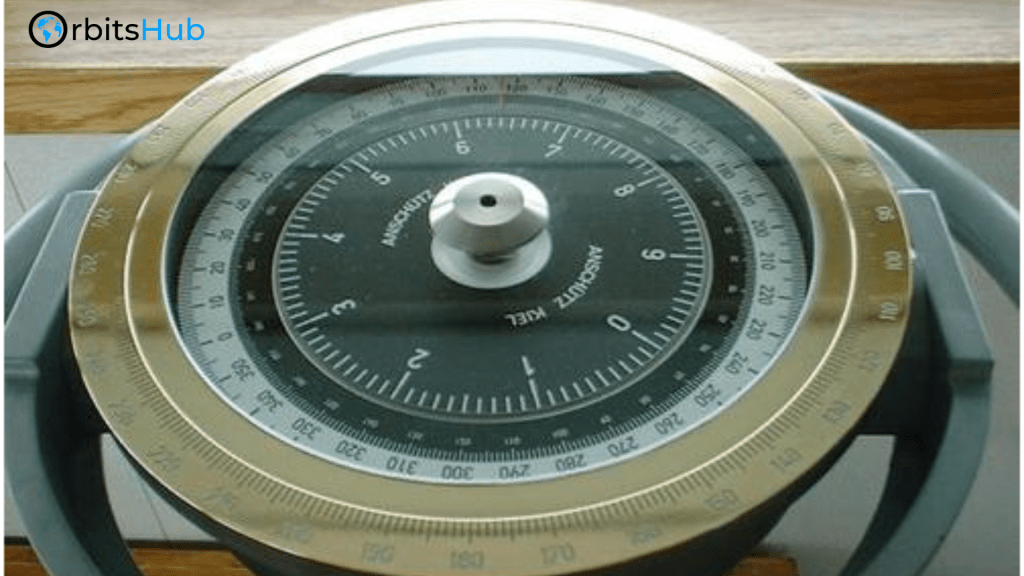
A gyrocompass is one of the most crucial tools in maritime navigation, playing an essential role in guiding ships across the seas. Unlike traditional magnetic compasses, which rely on the Earth’s magnetic field, a gyrocompass uses the principles of angular momentum and the Earth’s rotation to determine true north. Understanding the basics of a gyrocompass is vital for every mariner, as it is one of the primary instruments for accurate navigation.
What Is a Gyrocompass?
The Basic Concept
At its core, a gyrocompass is an instrument used to find true north by measuring the Earth’s rotation and the forces acting on the gyroscope inside the device. The gyrocompass is independent of the Earth’s magnetic field, making it highly reliable for navigation, especially in regions where magnetic compasses may be unreliable due to magnetic anomalies or proximity to the poles.
The gyrocompass works on the principle that a spinning mass, such as a gyroscope, resists changes to its axis of rotation. As the Earth rotates, this resistance allows the gyrocompass to align itself with the Earth’s axis, thus pointing to true north.
How Does a Gyrocompass Work?
The Science Behind the Gyrocompass
The Coriolis effect and angular motion are the two main ideas behind how a gyrocompass works. The Coriolis effect is how moving things seem to bend because of the Earth’s rotation. Angular momentum is an object’s tendency to keep its direction as it spins. The movement of the Earth makes a gyroscope tilt and line up with the axis of the planet. The gyrocompass can show true north very accurately, thanks to this orientation.
The device’s gimbal mechanism ensures that the gyroscope remains level as the ship changes direction, keeping it in line with the Earth’s rotation. Once the gyrocompass is calibrated and aligned, it continuously updates the ship’s navigation system, providing real-time bearing information.
Key Advantages Of Magnetic Compasses
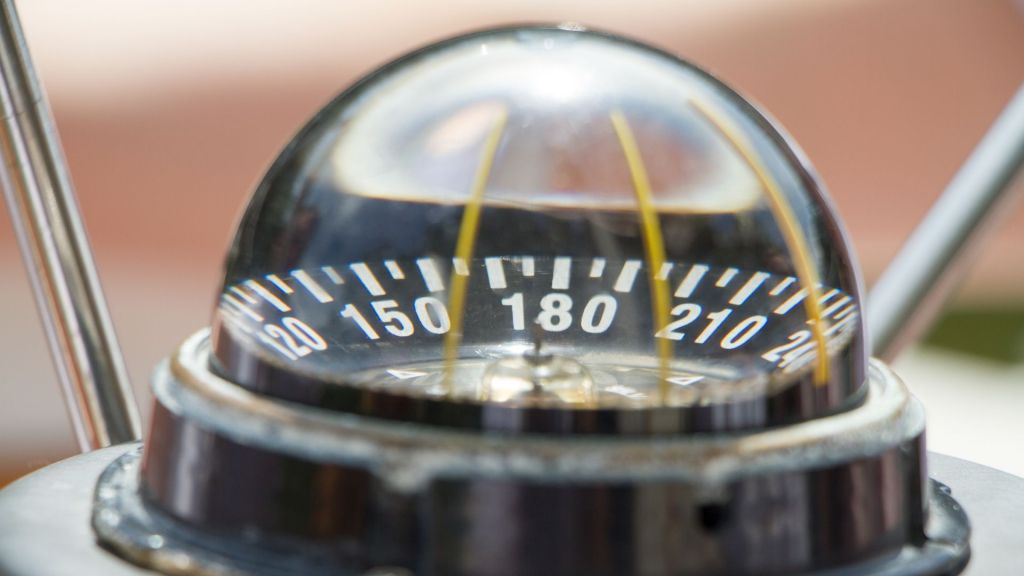
One of the main advantages of a gyrocompass over traditional magnetic compasses is its immunity to magnetic fields. Magnetic compasses can be affected by local variations in the Earth’s magnetic field, especially near the poles or areas with strong magnetic anomalies. In contrast, a gyrocompass is not influenced by these variations, providing a more reliable and consistent reading of true north.
Additionally, gyrocompasses are far more stable and accurate than magnetic compasses, particularly over long distances and extended periods of time. As the Earth’s magnetic field can fluctuate, the gyrocompass offers a higher degree of precision, making it an indispensable tool for mariners and navigators worldwide.
The Importance of Gyrocompasses in Modern Navigation
The Role of Gyrocompasses on Ships
On modern vessels, gyrocompasses are integrated into the ship’s navigation systems, providing crucial heading information to officers and ensuring that the ship stays on course. They are used for a variety of functions, from maintaining the correct bearing to steering the vessel in the right direction.
Gyrocompasses are also linked with radar systems, autopilot devices, and other navigational instruments. This integration allows for automatic course corrections and efficient long-distance navigation, particularly in situations where manual steering would be too complex or time-consuming.
Gyrocompasses and Safety at Sea
Accurate guidance is very important for making sure the crew, passengers, and cargo are safe in the high-risk world of maritime navigation. A gyrocompass helps sailors find their way through rough water, stay clear of dangerous objects, and stay on course even when visibility is low or the weather is bad.
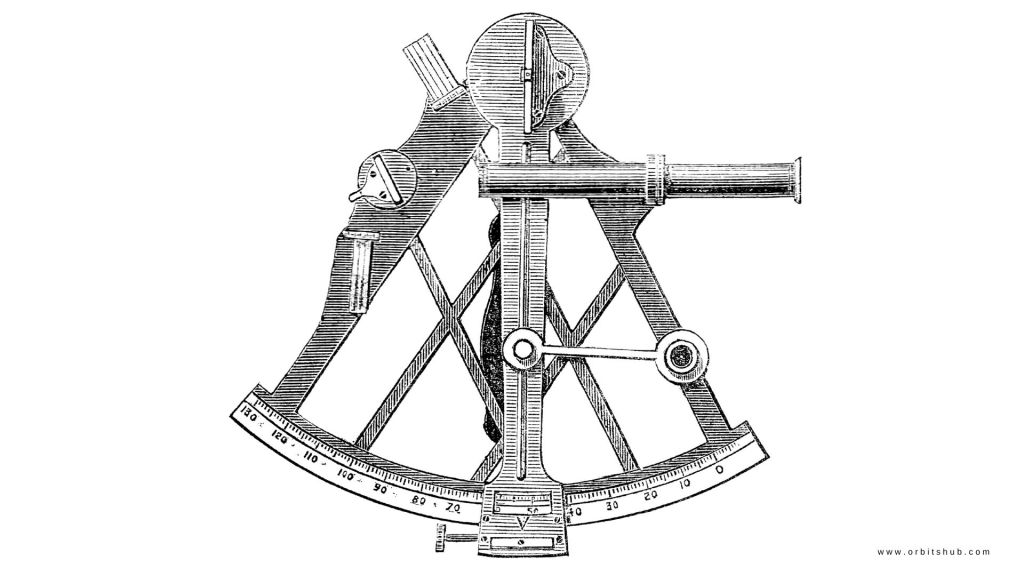
For example, during the night or in foggy weather, traditional navigation techniques such as celestial navigation become less effective. In such scenarios, a gyrocompass is invaluable, as it operates continuously and provides consistent, reliable data regardless of external conditions.
Challenges and Limitations of Gyrocompasses
Calibration and Maintenance
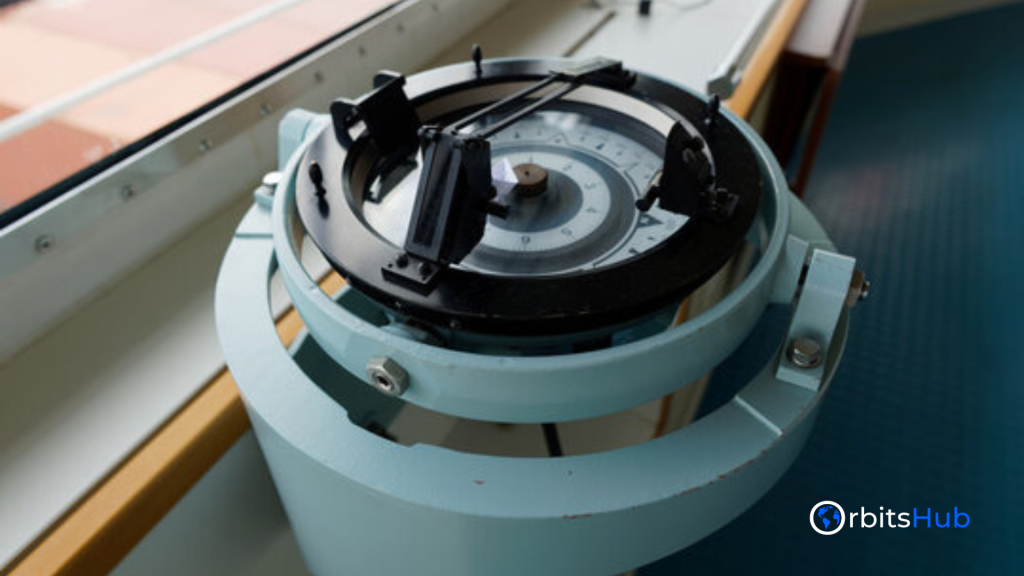
While gyrocompasses are highly accurate, they require regular calibration and maintenance to ensure they function properly. Over time, the gyroscope’s bearings can wear out, or the alignment may become skewed, leading to inaccuracies in the reading. Mariners need to perform routine checks and recalibrations to ensure the system remains aligned with true north.
Gyrocompasses are also not affected by magnetic fields, but they can be affected by vibrations in the metal or outside forces like fast speeds or sudden changes in direction. For the system to keep running at its best, it needs to be serviced regularly.
Cost and Complexity
Another limitation of gyrocompasses is the initial cost and complexity of installation. Unlike magnetic compasses, which are relatively inexpensive and simple to install, gyrocompasses can be costly and require specialized knowledge to install and maintain. This can make them less accessible for smaller vessels or organizations with limited budgets.
However, the long-term benefits and increased safety they provide often outweigh the initial investment, making them a preferred choice for large commercial vessels and naval ships.
Frequently Asked Questions
1. Why are gyrocompasses more reliable than magnetic compasses?
Gyrocompasses are more reliable because they are not affected by magnetic fields, which can vary in strength in different parts of the world. This makes them particularly useful in regions with magnetic anomalies or near the poles.
2. How often do gyrocompasses need to be calibrated?
Gyrocompasses need to be calibrated on a daily basis to make sure they work correctly. How often a model needs to be calibrated relies on how it is used, but it is important to do regular checks to make sure the readings are correct.