The Port of Suez, located at the gateway of the Suez Canal in Egypt, holds a pivotal role in international trade. Its strategic position shortens shipping routes between Europe, Asia, and the Middle East, significantly reducing transit times and costs. As one of the world’s busiest transit ports, it handles diverse cargo types and contributes significantly to Egypt’s economy. Serving as a vital link in the global supply chain, the Port of Suez continuously expands and modernizes to accommodate the growing demands of international trade, exemplifying its enduring importance in the world of maritime logistics.
Strategic Location: Port of Suez

The Port of Suez owes its prominence to its strategic location at the southern terminus of the Suez Canal. The canal, often hailed as one of humanity’s greatest engineering achievements, links the Red Sea to the Mediterranean Sea. This artificial waterway serves as a maritime shortcut, drastically reducing the distance and time needed for ships to travel between Europe, Asia, and the Middle East.
Picture this: A massive cargo ship laden with goods departing from Shanghai, China, destined for Rotterdam, Netherlands. Without the Suez Canal, this journey would involve circumnavigating the southern tip of Africa—a voyage of approximately 12,000 nautical miles. However, thanks to the Port of Suez and the Suez Canal, this ship can shave off around 7,000 miles from its journey, making the global supply chain faster and more cost-effective.
Suez Canal: The Artery of International Shipping
The Suez Canal is nothing short of a lifeline for global trade. It enables the seamless flow of goods between major markets, keeping the wheels of international commerce turning smoothly. Each year, a multitude of vessels, from container ships to oil tankers, make their way through this historic passage.
Think of the Suez Canal as a massive conveyor belt that moves cargo from one end of the globe to another with impressive efficiency. The impact of this shortcut on the shipping industry cannot be overstated. It allows vessels to avoid the perilous journey around the Cape of Good Hope, which was the only alternative before the canal’s construction.
The Busiest Transit Port Worldwide
The Port of Suez serves as a crucial gateway for ships transiting through the Suez Canal. It handles an astonishing array of cargo, including containers, bulk cargo like grains and minerals, and energy-related products. It’s not just a port; it’s a bustling nexus where goods from diverse industries converge.
As a result of its strategic position and the Suez Canal’s importance, the Port of Suez ranks among the busiest transit ports globally. It’s a place where commerce never sleeps, and the docks are abuzz with activity, day and night. This constant flow of goods contributes significantly to Egypt’s economy and ensures a steady stream of revenue.
Economic Significance: Powering the Egyptian Economy
The Port of Suez plays a starring role in the Egyptian economic story. The revenue generated from port operations, including cargo handling, warehousing, and associated services, constitutes a substantial chunk of Egypt’s income. This financial infusion is not only a boon for the port authorities but also vital for the nation’s economic stability.
Just as the Nile has historically nurtured Egypt’s fertile lands, the Suez Canal and the Port of Suez have irrigated the Egyptian economy with their wealth. The fees collected from ships transiting the canal and the economic activity generated by the port are essential sources of income that help fund national development initiatives.
Port of Suez: Worldwide Trade at Its Fingertips
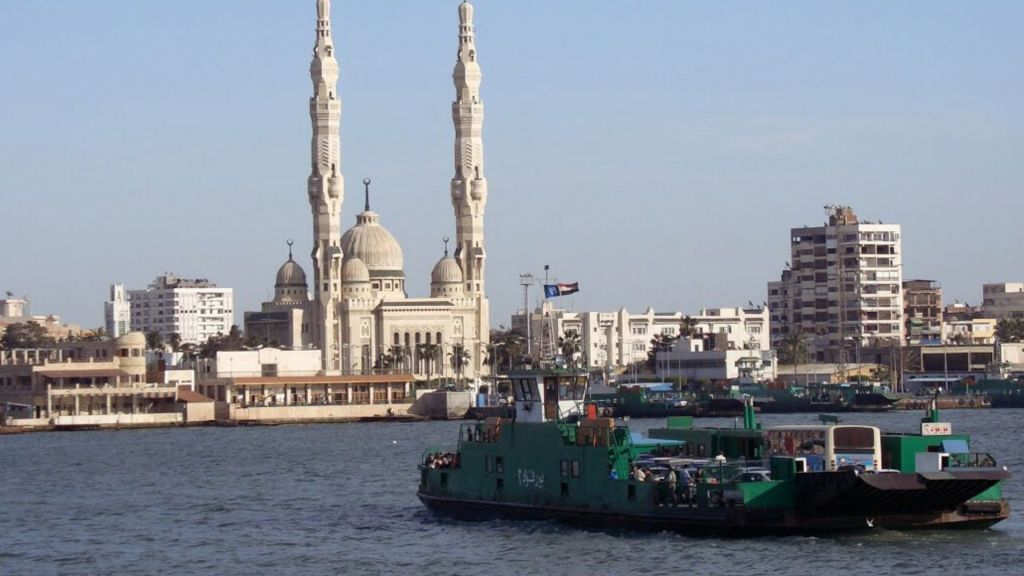
The Port of Suez is more than just a local hub; it’s a connector of continents. It links the Red Sea to the Mediterranean, allowing goods to move seamlessly between Europe, Asia, Africa, and the Middle East. Some of the world’s largest shipping companies and vessels make this route a mainstay of their global logistics strategies.
Imagine it as the central hub in a sprawling global airport network. Just as passengers transit through major international airports, goods transit through the Port of Suez on their journey from one corner of the world to another. The port’s pivotal role in international trade underscores its global importance.
Expansion and Development: Keeping Pace with Trade
Over the years, the Port of Suez has witnessed a series of expansion and modernization projects aimed at accommodating the ever-growing demands of international trade. These projects are akin to adding new runways and terminals to an airport to handle increased air traffic.
These efforts encompass several facets of the port’s infrastructure and operations:
Size of the Port Area
The Port of Suez is not a monolithic entity but rather a collection of port areas and terminals. East Port Said, West Port Said, and the main port area around Suez City together cover a substantial land area along the Suez Canal. These designated areas cater to different types of cargo and vessels, creating a well-organized and efficient system.
Bulk Cargo Capacity

The port is not limited to containers; it also handles a wide range of bulk cargoes, including grains, minerals, and other dry bulk commodities. Specialized facilities for the efficient loading and unloading of these goods ensure that they flow through the port smoothly.
Energy Cargo Handling
When it comes to energy-related cargo, such as oil and gas, the Port of Suez has a significant role to play. It boasts facilities for the transshipment of crude oil and liquefied natural gas (LNG), making it a critical link in the energy supply chain.
Expansion Projects
To keep pace with the ever-increasing demands of global trade, the Egyptian government and port authorities have embarked on ambitious expansion and modernization projects. These initiatives focus on increasing the port’s capacity and improving its infrastructure.
One notable example is the construction of new container terminals, capable of handling the behemoth vessels that dominate the seas today. The deepening of berths to accommodate larger vessels is another key component of these initiatives.
Economic Free Zones
The area surrounding the Port of Suez includes economic free zones and industrial zones that complement its capacity. These zones act as magnets for manufacturing and logistics activities, attracting businesses to set up operations in close proximity to the port. This synergy further enhances the port’s role in the global supply chain.
Suez Canal Expansion
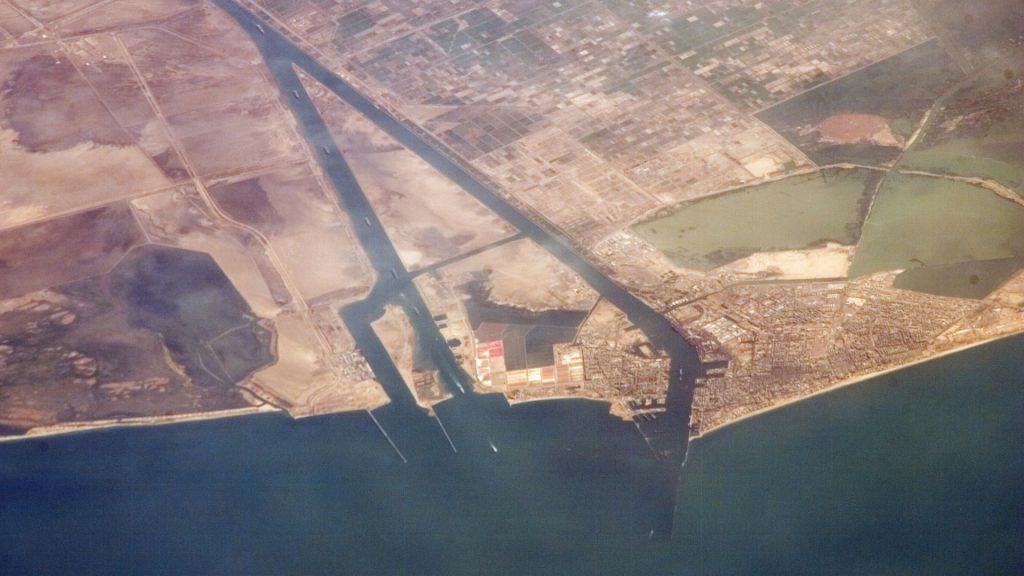
The capacity of the Port of Suez also benefits from the expansion of the Suez Canal itself. The New Suez Canal, inaugurated in 2015, involved the creation of a new shipping lane alongside the existing canal. This ingenious expansion allows for the simultaneous passage of more vessels and reduces transit times, further amplifying the port’s efficiency.
Port of Suez stands as a maritime marvel, bridging continents and facilitating global trade. Its strategic location at the nexus of the Red Sea and the Mediterranean, coupled with its ongoing expansion and development efforts, make it an indispensable player in the world of maritime logistics. As ships continue to navigate its waters, the Port of Suez remains a testament to human ingenuity and a symbol of the interconnectedness of our modern world. It’s not just a port; it’s a testament to human achievement and a gateway to a world united by commerce and connectivity.