The Indian Air Force (IAF) is considering adding fighter jets once its Mirage 2000 fleet retires in 2035. One potential solution is acquiring pre-owned Mirage 2000-5 variants from Qatar and decommissioned Mirage 2000 jets from Greece.
Qatari Mirage 2000 Offer
Qatar has offered India 12 Dassault Mirage 2000-5 jets, spare engines, and MICA air-to-air missiles. Aircraft expenses are estimated at around ₹500 crore (US$6.7 million). According to conflicting accounts, Qatar first requested US$795.14 million for the package or US$66.25 million per jet.
IAF inspectors will soon assess nine single-seat Mirage 2000-5EDA and three twin-seat trainers in Qatar. Indonesia explored buying these jets from Qatar but decided against it.
Airframe Life and Operational Considerations
Estimates indicate that the Qatari Mirage 2000-5 fleet has approximately 30-35% of its airframe life remaining, which equates to approximately ten years of operational service. This timeframe aligns well with India’s plans to phase out its Mirage 2000 fleet by 2035, making the acquisition a potentially viable interim solution.
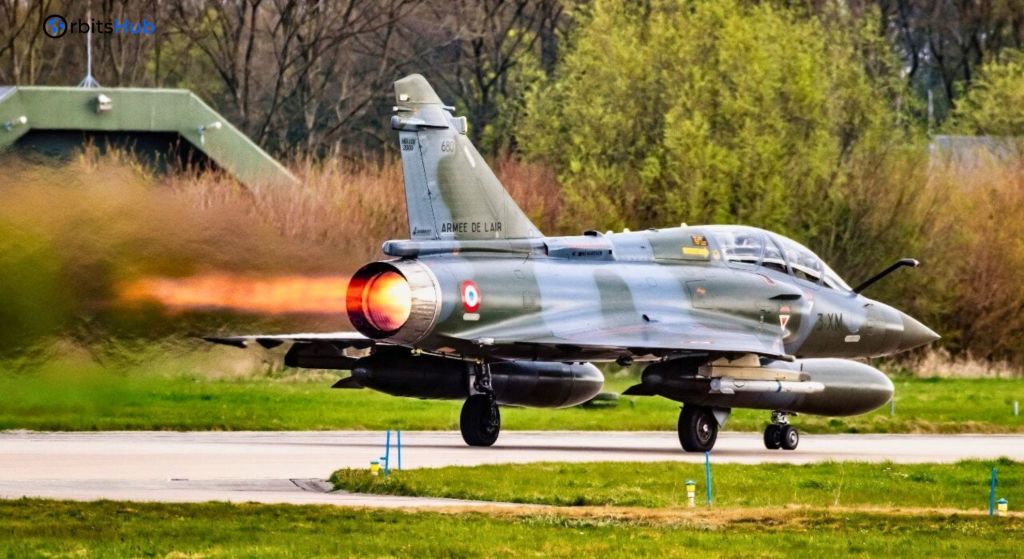
The pre-owned Mirage 2000s could seamlessly integrate with India’s current Mirage 2000 squadrons, providing additional firepower and operational flexibility until newer aircraft are fully inducted into service.
Greek Mirage 2000 Offer
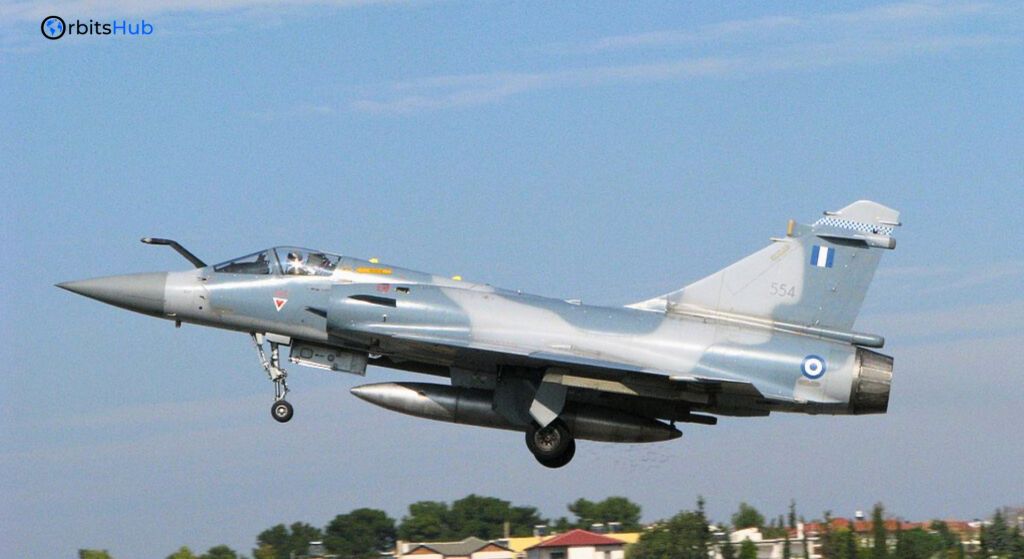
Greece’s Hellenic Air Force (HAF) is now trying to sell its Dassault Aviation Mirage 2000 EGM/BGMs, which it retired recently. These aircraft were decommissioned in January 2022 when the Dassault Rafale fighters arrived. They had previously been operated by the 332 Squadron ‘Hawks’ of the HAF 114 Combat Wing at Tanagra Air Base in Athens.
Potential for Parts Cannibalization
While the airworthiness of the Greek Mirage 2000 fleet is uncertain, India has expressed interest in acquiring these jets primarily for parts cannibalization. By harvesting serviceable components from the Greek aircraft, the IAF could potentially extend the operational life of its existing Mirage 2000H/I fleet, which currently numbers around 44 jets.
Negotiations and Discussions
Sources indicate that discussions are underway between Greek defence authorities and their Indian counterparts regarding the potential sale of the retired Mirage 2000 jets. The HAF leadership views this transaction as a viable option, as it could generate funds to support Greece’s ongoing modernization efforts, including acquiring additional Rafale fighters and the planned procurement of up to 40 Lockheed Martin F-35A fifth-generation fighters.
Mirage 2000-5 Upgrades and Challenges
HAF is considering buying pre-owned Mirage 2000 versions and its newer Mirage 2000-5 aircraft, currently operated by 331 Squadron ‘Theseus’. While these jets have undergone upgrades, they reportedly need help keeping pace with contemporary network-centric operations.
IAF’s Fighter Jet Roadmap
The potential acquisition of pre-owned Mirage 2000 jets from Qatar and Greece is part of the IAF’s broader strategy to address its fighter jet requirements in the short to medium term. While these interim measures may provide temporary relief, the IAF is also actively pursuing long-term solutions to modernize and strengthen its combat aviation capabilities.
Indigenous Fighter Development
One key focus area is the development of indigenous fighter jets, such as the Advanced Medium Combat Aircraft (AMCA) and the Tejas Mark 2, which are expected to play a pivotal role in the IAF’s future force structure. These homegrown platforms aim to reduce dependence on foreign suppliers while fostering self-reliance and technological advancement within India’s defence industry.
Collaborative Efforts and Joint Ventures
In addition to domestic initiatives, the Indian Air Force is exploring collaborative efforts and joint ventures with international partners. This approach facilitates the transfer of advanced technologies and fosters stronger strategic relationships with key allies and partners.
One notable example is the potential co-development of a fifth-generation fighter jet with Russia, which could leverage the expertise and resources of both nations to create a formidable combat aircraft tailored to India’s specific requirements.
Geopolitical Considerations: Mirage 2000
The IAF’s fighter jet procurement and modernization efforts are inextricably link to the broader geopolitical landscape and India’s strategic priorities. As tensions persist in the region, particularly along the borders with China and Pakistan, the need for a robust and capable air force becomes increasingly paramount.
Border Disputes and Regional Dynamics
The ongoing border disputes with China, including the Ladakh standoff and the long-standing territorial claims over Arunachal Pradesh, have underscored the importance of maintaining a credible deterrent and rapid response capabilities. Similarly, the enduring threat posed by Pakistan-based terrorist groups and the potential for escalation along the Line of Control (LoC) necessitates a strong and modern air combat fleet.
Countering Adversaries’ Advancements
The IAF modernizes to counter rival air power developments. India must keep up with China’s upgrading air force, Pakistan’s procurement of powerful fighter jets like the JF-17 Thunder, and the probable purchase of Russian Su-35 jets.
The IAF strengthens its fighter aircraft inventory to defend India’s interests and project power, maintain a favourable balance of power, deter aggression, and ensure regional stability.
Budgetary Considerations and Cost-Effectiveness: Mirage 2000
While pursuing advanced fighter capabilities is a strategic imperative, the IAF must also navigate the complexities of budgetary constraints and cost-effectiveness. The acquisition of pre-owned Mirage 2000 jets from Qatar and Greece presents an opportunity to address immediate operational requirements while minimizing financial burdens.
Life-Cycle Costs and Maintenance
By leveraging existing infrastructure, training programs, and maintenance capabilities associated with the Mirage 2000 fleet, the IAF can potentially reduce the overall life-cycle costs of these interim acquisitions. Additionally, the availability of spare parts and familiarity with the aircraft’s systems could streamline integration and minimize operational disruptions.

Logistics and Supply Chain Management: Mirage 2000
The acquisition of pre-owned Mirage 2000 jets from Qatar and Greece presents logistical challenges that must be address to ensure seamless integration and sustained operational capabilities. Effective supply chain management and the establishment of robust support infrastructures will be critical to the success of these interim acquisitions.
Spare Parts and Maintenance Infrastructure
Mirage 2000 fleets need spare parts and repair facilities. With Dassault Aviation, the Mirage 2000 maker, the IAF may need long-term supply agreements, proprietary technical data, and maintenance services.
Supply Chain Optimization and Inventory Management
The IAF must use inventory management and supply chain optimization tools to distribute spare parts efficiently across operating locations. Advanced analytics and predictive maintenance can estimate demand, reduce downtime, and optimize resource allocation.
Logistics and support infrastructure can help the IAF maximize Mirage 2000 jet operational availability for combat readiness and deterrence.
International Cooperation and Strategic Partnerships: Mirage 2000
Pursuing advanced fighter capabilities often transcends national boundaries, necessitating international cooperation and strategic partnerships. By buying used Mirage 2000 jets, India can strengthen military aviation partnerships with Qatar and Greece.
Environmental Considerations and Sustainability
The IAF must consider environmental effect and sustainability while buying used Mirage 2000 jets. Integrating interim assets demands careful environmental management to satisfy India’s sustainability goals.
Emissions Reduction and Fuel Efficiency
Though more competent, the Mirage 2000 jets’ older engine and airframe designs may increase fuel consumption and emissions. The IAF may retrofit or establish operational protocols to improve fuel efficiency and lower these aircraft’s carbon footprint.
The Indian Air Force’s potential acquisition of pre-owned Mirage 2000 fighters from Qatar and Greece is a strategic move. This represents a way to bridge the gap in the IAF’s fighter jet inventory. As the IAF prepares to phase out its ageing Mirage 1 fleet, these interim acquisitions may provide temporary relief. The Indian Air Force actively pursues long-term solutions. This includes developing indigenous fighter jets and collaborating with international partners.
Looking for top-notch consultancy in maritime and aviation? Visit OrbitsHub.com now to learn how our services can transform your operations!”