The Formation of the Lysefjord
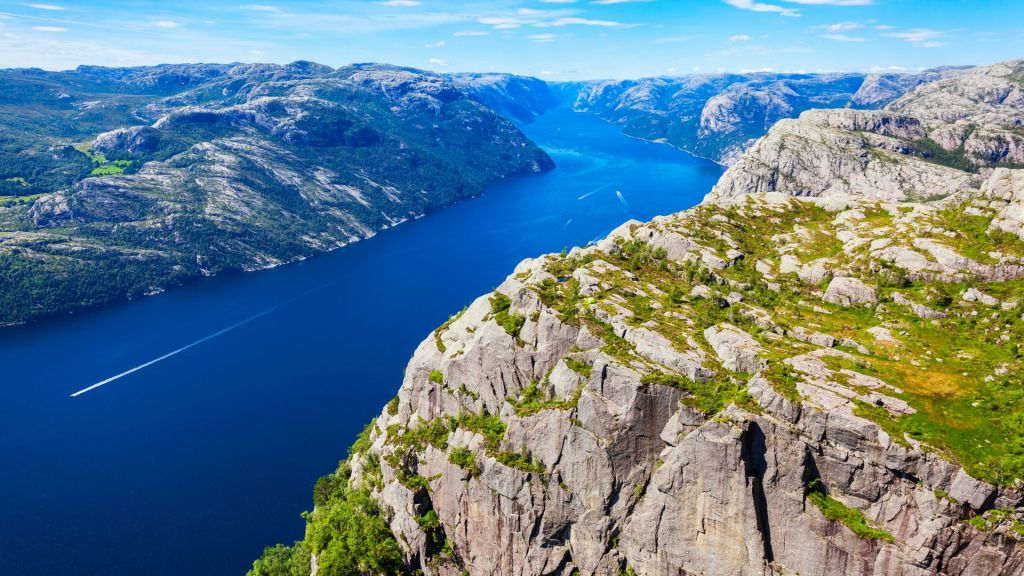
The Lysefjord formed largely due to glacial activity during various ice ages over the past 2.5 million years. As glaciers advanced across Scandinavia, they carved U-shaped troughs into valleys and mountainsides. Later, when the enormous weight of ice sheets depressed landmasses, the melting glaciers caused sea levels to rise and seawater flooded into these U-shaped valleys – thus forming fjords.
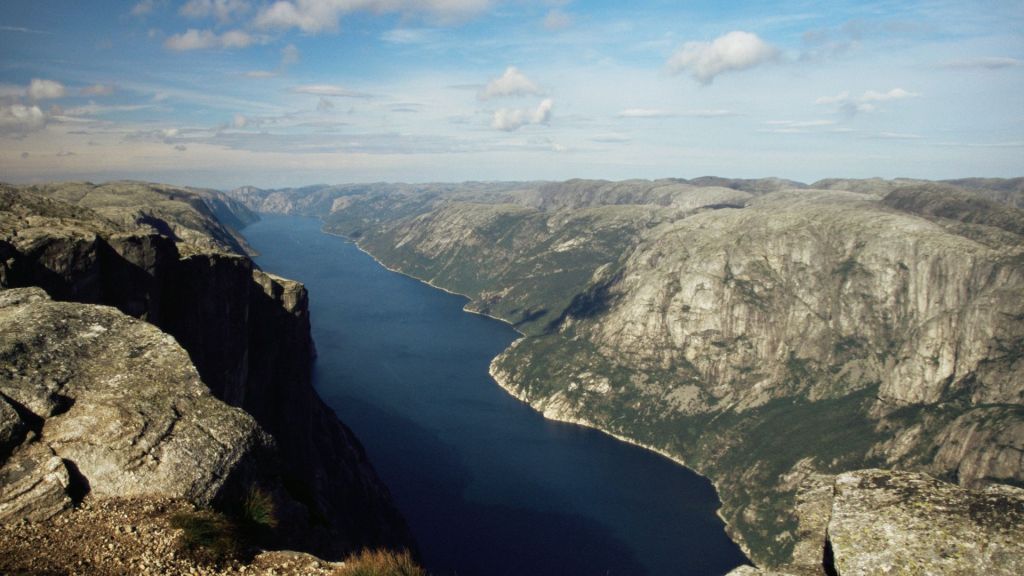
The area around the Lysefjord was covered by a huge ice sheet during the last glacial period, which ended roughly 10,000 years ago. It plowed through and shattered solid granite, carrying debris out to deposit in the fjord. When this ice sheet retreated as temperatures warmed, meltwater filled the U-shaped valley, officially forming the Lysefjord as we know it today.
The Natural Features of the Lysefjord
The Lysefjord boasts unique natural features including soaring granite rock formations, scattered islands, and diverse plant and animal life.
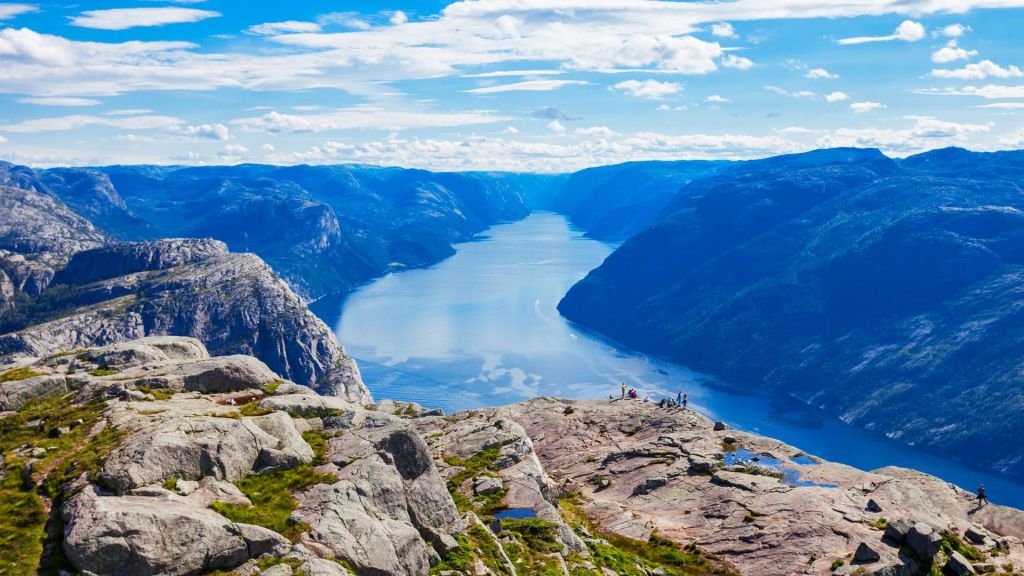
The fjord’s cliffs tower precipitously – the highest reaching 1,000 meters above sea level. These gigantic rock walls formed from granite millions of years ago when magma cooled slowly below Earth’s surface. Later, glaciers sheared slabs of this granite away, exposing the sheer cliffs seen today. The granite glows golden in the sunlight and shadows swirl dramatic patterns across its surface.
Dotting the fjord, over 30 small islands and skerries emerge from the ocean. These landmasses consist of mostly bare rock yet some shelter trees and shrubs tenaciously clinging to existence. Seabirds nest in cliffs and rock crevices while seals sun themselves on flat, wave-washed skerries during low tide. Underwater, kelp forests undulate in the currents providing habitat to fish, crustaceans, and other marine organisms.
On land, pine and spruce trees blanket parts of the fjord while purple heather and yellow cloudberry bushes cluster between boulders. The biodiversity sprouts from nutrients left by glaciers in the soil. Beyond simply stunning scenery, these plants uphold critical roles in soil conservation, pollution control, and shelter for land animals.
Some wildlife in the region includes golden eagles and falcons that nest on cliffs and dive for fish. Otters swim in coastal waters while moose, foxes, mountain hares, and even muskox graze on vegetation. Under the waves, whales occasionally visit while schools of herring swim through in summer feeding frenzies, trailed by predatory fish and seabirds. Even the rare king eider duck breeds here during the warmer months.

Tourism and Recreation
The Lysefjord offers numerous recreational opportunities to enjoy its magnificent nature. Well-maintained hiking trails let visitors traverse high above on clifftop plateaus and climb to spectacular viewpoints. Kayaking and boating adventures appeal to water lovers who can paddle right up to soaring rock walls and land on otherwise inaccessible islands. Specific attractions beckon thrill seekers as well.
A top destination is Preikestolen – a steep cliff jutting 604 meters above the fjord that attracts over 300,000 visitors per year. Reaching this flat rocky plateau requires a strenuous hike but grants jaw-dropping vistas over plunging cliffs into glittering blue waters. Even BASE jumpers leap from its edge.
Kjerag mountain also looms 1100 meters over the Lysefjord with a massive boulder wedged between two cliffs. Brave souls can stand on Kjeragbolten and pose for iconic photos. Rock climbers test their skills scaling sheer granite faces dotted with crevices and hardy vegetation. Extreme kayakers even dare to paddle into surging currents underneath waterfalls cascading from great heights.
For those desiring calmer activities, scheduled ferry tours cruise the Lysefjord while guide companies offer exhilarating yet accessible adventures like overnight camping and sightseeing. No matter one’s physical ability, the Lysefjord presents stunning scenery to enjoy.
The Villages along the Lysefjord
Though sparsely populated, several small villages line the Lysefjord, serving both local residents and tourists. These towns provide accommodations, dining, and transportation connections for visitors venturing into the fjord region.
At the innermost tip lies Lysebotn. Surrounded by soaring peaks, the village stays shrouded in shadow much of the year. Only 600 full-time residents live in this remote enclave yet Lysebotn supports boating, kayaking, camping, and epic hiking trails.
Forsand, nicknamed the “Gateway to Preikestolen,” sprawls at the mouth of the Lysefjord along protected Forstranda Bay. Car ferries dock here shuttling visitors to popular attractions while town offers dining, lodging, and historical sites dating back to the Viking era.
Flørli occupies the fjord’s eastern bank with homes and buildings strewn dramatically on cliffs connected by over 4,400 steep wooden steps. This path comprises the world’s longest wooden stairway with sections open to the public. Visitors to Flørli can also camp, kayak, hike trails, or learn about its hydropower history in museums.
Finally, Lauvvik lies along the Lysefjord’s main route featuring an indoor climbing center, dining, and guest harbor. Fishermen sell their catch while ferries, boats, kayaks, and small cruise ships harbor in the protective bay under shadowy mountains.
Though tiny, these fjord villages boom with activity during summer yet retain local community spirit year-round. Their friendly hospitality and sustainable tourism make them quintessential Norwegian destinations.
Transportation and Accessibility
Reaching the Lysefjord area poses challenges due to its steep terrain and deep waters. While options exist, some transportation requires advanced planning.
As the main thoroughfare, the Lysevegen road runs along the fjord linking villages. Local buses drive this narrow, hairpin route. Auto travelers can self-drive though caution is advised when navigating tight switchbacks and passing viewpoints. Tunneler ferry smaller vessels to docking points.
Passenger ferries such as The Lysefjord Sightseeing Ferry provide scheduled public transportation year-round. Options exist for one-way travel or round-trip cruising that allows passengers to disembark at villages along its route to Flørli.
The world’s longest wooden stairway at Flørli enables sure-footed hikers to descend 740 meters from mountains to the fjord in approximately one hour. First constructed in the late 1800s to support hydropower infrastructure, the steps now serve as a unique walking path granting jaw-dropping vistas.
Some private tour companies offer bespoke chartered transportation to the Lysefjord’s most dazzling yet isolated corners. Custom vessels range from small speedboats to cushy cabin cruisers equipped to land passengers on remote islands that remain otherwise inaccessible.
Media and Cultural References
The Lysefjord’s extraordinary vistas have starred internationally in art, books, movies, and television. Featured works showcase the fjord’s recognizable landscapes that evoke an alluring mystique.
Many painters like Norwegian Johan Christian Dahl captured the Lysefjord’s luminous granite cliffs under ethereal skies while acclaimed photographer Naciye Doratlı spotlighted vibrant blues swirling with misty grey. Contemporary multimedia artists incorporate the fjord into futuristic interpretations as well.
In fiction, namesake Lysefjord features in Ancient Light, a novel by John Banville. Mystery and crime authors weave intricate plotlines exploiting the region’s remote geography for suspicious settings. Even dystopian video games use digitally rendered fjord landforms for fantastical worlds.
Hollywood blockbusters Mission Impossible – Fallout and Star Wars: The Last Jedi filmed ambitious action sequences in the Lysefjord area. Vertigo-inducing shots careen over enormous waterfalls while characters battle on sheer mountainsides and narrowly escape crumbling rock slides into roiling seas. The fjord’s grandeur heightens both thrill and drama onscreen.
This Norwegian treasure even stars in television, showcasing its majestic cliffs, epic boat tours, and famous Preikestolen hiking. Appearing on outlets worldwide, from the BBC to NatGeo, the Lysefjord plays a leading role in representing the allure of scenic Norway.
Conservation Efforts
To preserve the Lysefjord’s outstanding natural beauty and delicate ecosystems, Norway upholds rigorous environmental protections despite growing tourism.
As a pristine landscape, most of the fjord falls under conservation regulations. These laws limit development while funding projects that monitor plant/animal welfare and promote sustainable land use. Some sensitive habitats have additional shields to reduce human impact.
Eco-friendly transportation reduces emissions and noise disturbance. Tour companies must adhere to strict waste management policies while supporting local communities. Information centres educate visitors about responsible outdoor ethics, stressing that although exquisite, this region remains fragile.
Inviting travelers to connect positively with nature, Norway balances tourism growth with safeguarding the Lysefjord’s extraordinary ecology and irreplaceable heritage for future generations.
The Future of the Lysefjord Region
Looking ahead, the Lysefjord area balances potential change with preserving traditional life and landscapes that visitors cherish.
Some development appears on the horizon, yet construction projects face intense scrutiny to minimize environmental harm. Proposals like a tunnel linking fjord communities could reduce ferry traffic but destroy habitat. New recreation infrastructure may improve access and safety but overcrowding threatens pristine spaces. Any economic gains must weigh against sustainability.
Simultaneously, strong heritage conservation protects historic architecture, sites, and customs that embody regional identity. Villages nurture connections to fjord history from Viking lore to industrial innovations. Locals share traditions at museums and cultural events that provide livelihoods not dependent on fickle tourism.
Climate change also looms concerningly for Norway. While melts unveil archaeological finds and new arables, the shifting environment may destroy existing ecosystems and community infrastructure if left unaddressed. Proactive leadership can mitigate damage through decisive legislation and technological innovation to become climate resilient.
By respecting the balance between progress and preservation, the Lysefjord region can develop judiciously while retaining the breathtaking landscapes and vibrant heritage that give this Norwegian gem such magnetic allure.
Why Visit Lysefjord
With stunning scenery, boundless activities, and charming culture, the Lysefjord rewards visitors seeking natural splendor, outdoor adventure, or relaxation amid picture-perfect tranquility.
Granite cliffs sheer from glittering waters beckon photographers itching for iconic Norway vistas while over 30 hiking trails scramble up plateaus and loop to thundering waterfalls. Rock climbing and BASE jumping offer extreme challenges with rewards of adrenaline and bragging rights after conquering landmarks like the Pulpit Rock.
Even mellower travelers can swoon over gently cruising under golden cliffs on comfy sightseeing boats. Kayakers and stand-up paddleboarders peacefully ply protected bays and skerries. Multi-day guided tours incorporate hiking, camping, boating, and tailored side adventures from cycling to fishing for customizable vacations catering to any interest.
When not reveling in heart-pounding exploits outdoors, visitors can relax amid lovely historic villages that proffer local culture through dining, museums, and community events. The friendly residents happily share proud traditions of fjord life that perseveres today.
With majestic nature, action and adventure for all ages, outdoorsy bliss or lounging through lovely towns, and that magical quality of light bathing everything gold, the Lysefjord promises an unforgettable Norway experience.