Economic Impact
The Port of Grangemouth plays a pivotal role in Scotland’s economy. It is responsible for handling approximately 30% of Scotland’s GDP in cargo flow, highlighting its importance as an economic facilitator. Not only does it serve as the main logistics hub due to its strategic location, but it also supports a significant segment of Scotland’s population, with nearly 70% residing within an hour’s drive of the port.
A lot of big companies in the UK trust the port, and it helps move more than £6 billion worth of goods every year as a gateway for Scottish trade. These goods range from fine food and drink, machinery, fuel, steel products, timber, paper, and equipment for the oil and gas industry.
Grangemouth: At a Glance
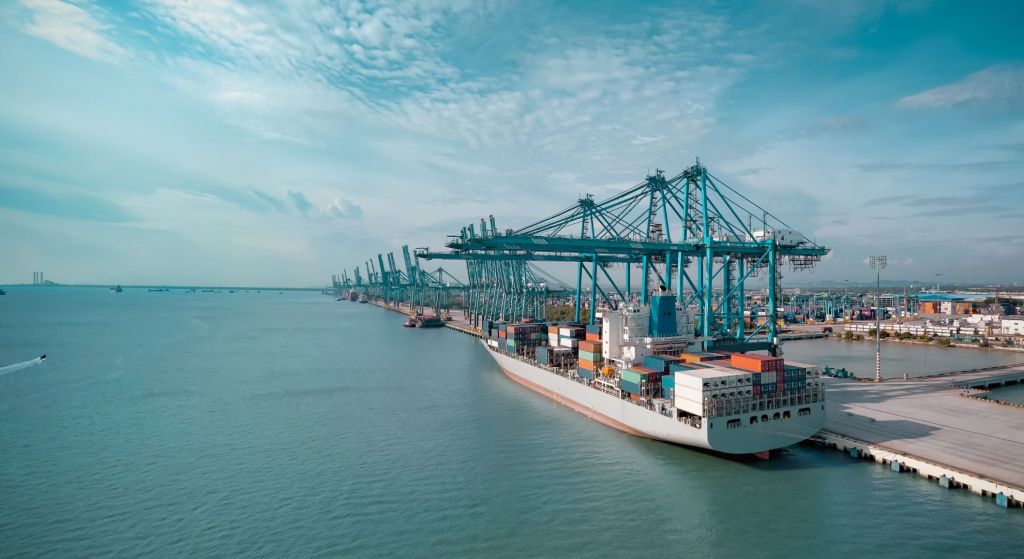
Here is a brief snapshot of the Port of Grangemouth:
- Seven weekly feeder services
- Utilised by the top 10 global shipping lines
- Liquid bulk terminal for Oil & Gas
- 70% of Scotland’s population is within an hour’s drive
- 500,000 square feet of warehousing
- Rail linked to main East and West Coast lines
- Scotland’s largest container and reefer terminal
Operational Details
The Port of Grangemouth is home to Scotland’s largest container terminal and reefer facility, handling over 250,000 TEUs each year. With the capability to work with all major deep-sea shipping lines, European short sea, multimodal, and tank operators, the port offers a diversified range of services.
The port is serviced by seven weekly feeder vessel calls, linking Scotland with worldwide deep-sea markets and European and Baltic short-sea destinations. The highly skilled and efficient team is equipped with the necessary experience and machinery to handle cargo needs safely and swiftly.
Environmental Considerations

Shipping in and out of Grangemouth has proven environmental benefits as well. The port’s approach reduces double handling and unnecessary road miles, resulting in significant savings in logistics costs and improved environmental benefits for customers. It offers cost-effective cargo handling, warehousing, storage, and port-centric solutions to customers aiming to move goods efficiently.
Rail Link
The Port of Grangemouth offers a weekly rail link to the Port of Tilbury in partnership with Direct Rail Services and Eddie Stobart. This service provides a cost-effective and sustainable means of moving goods between ports, reducing carbon emissions, and alleviating congestion on the UK road network.
Container Tracking
The port offers real-time container tracking through its state-of-the-art Group Container Systems, ensuring customers have up-to-date information on the status of their container within the terminals.
Port Location
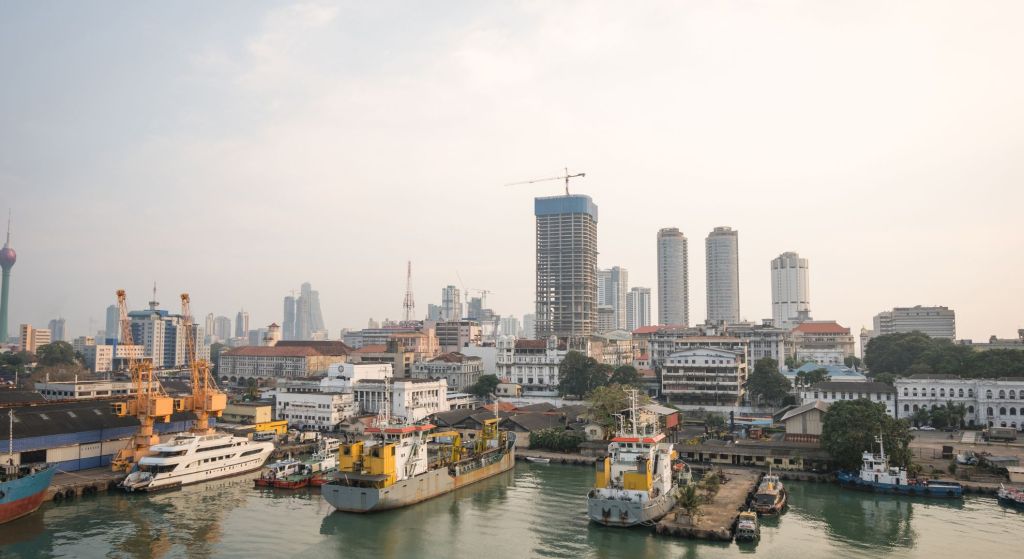
The Port of Grangemouth is strategically located on the UK Coast & Atlantic North Sea in the United Kingdom. The official UN/Locode of this port is GBGRG.
Port Ownership
The Port of Grangemouth is owned and operated by Forth Ports Limited, a leading port operator in the United Kingdom. The company is owned by the Public Sector Pension Investment Board and operates several other ports in the UK.
The Port of Grangemouth is a vital cog in Scotland’s economic and logistic machinery. Its strategic location, comprehensive facilities, and commitment to efficiency make it a preferred partner for UK companies and international traders alike. Whether for the movement of goods, warehousing, or container tracking, the Port of Grangemouth stands as a testament to Scotland’s robust and dynamic maritime industry.