

HAL Aircraft Division: A Comprehensive Overview
Imagine the roar of a jet engine cutting through the sky, the sleek silhouette of a fighter jet leaving a trail of white in its wake. This is the world of HAL Aircraft Division Bengaluru, a cornerstone of India’s glorious aviation history. For over eight decades, HAL has been instrumental in designing, developing, manufacturing, and maintaining a diverse fleet of aircraft, playing a pivotal role in the nation’s defence and aerospace aspirations. This comprehensive blog takes you on a captivating journey through HAL’s illustrious journey, exploring its capabilities, achievements, and vision for the Future.
A Legacy of Excellence: HAL’s Aircraft Division in Bengaluru
Established in 1940, HAL’s Aircraft Division in Bengaluru has become a premier organization within the Indian aerospace sector. Here’s a closer look at its remarkable journey:
- Pioneering Beginnings: HAL initially focused on licensed aircraft production like the Harlow PC-5, Curtiss P-36 Hawk, and Vultee A-31 Vengeance for the Indian Air Force (IAF). This laid the foundation for HAL’s manufacturing expertise and technical know-how.
- Indigenization and Innovation: HAL has diligently pursued self-reliance in aircraft design and development. This commitment has resulted in the creation of several indigenous aircraft, including the HAL HJT-16 Kiran, the Intermediate Jet Trainer (IJT), and the Advanced Light Helicopter (ALH) Dhruv.
- Strategic Collaborations: HAL has also established successful partnerships with international aerospace giants for technology transfer and joint development projects. These collaborations have enabled HAL to access cutting-edge technologies and produce sophisticated aircraft like the Su-30MKI fighter jet.
- A Multifaceted Entity: HAL’s Aircraft Division in Bengaluru is not just about combat aircraft. It also manufactures civilian aircraft like the Dornier 228, transport aircraft, and helicopters, catering to diverse aviation needs.
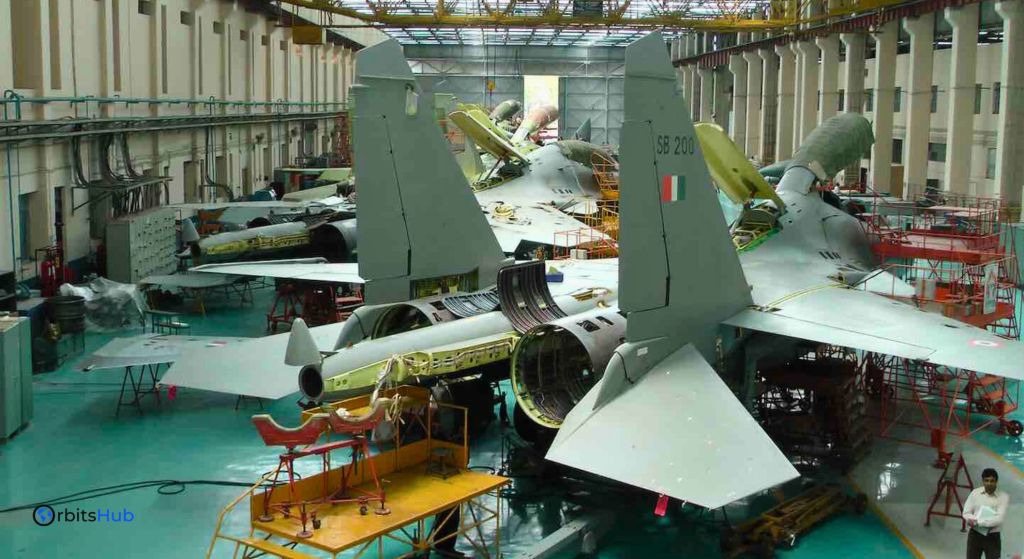
A Look at HAL’s Portfolio: Exploring the Range of Aircraft
HAL’s diverse portfolio encompasses a wide range of aircraft, each designed to fulfil specific requirements:
- Combat Aircraft: From the iconic MiG-21 to the formidable Su-30MKI, HAL has played a vital role in equipping the Indian Air Force with a potent fighter jet fleet.
- Trainer Aircraft: The HJT-16 Kiran and the upcoming Intermediate Jet Trainer (IJT) are crucial training platforms for future IAF pilots.
- Transport Aircraft: HAL manufactures transport aircraft like the Dornier 228, catering to the needs of both civil and military sectors.
- Helicopters: The multi-role Advanced Light Helicopter (ALH) Dhruv and the Light Combat Helicopter (LCH) are testaments to HAL’s expertise in rotary-wing technology.
- Uncrewed Aerial Vehicles (UAVs): HAL is actively developing and producing UAVs for surveillance and reconnaissance missions.
Beyond Manufacturing: The Diverse Capabilities of HAL
HAL’s reach extends beyond aircraft manufacturing. Here’s a glimpse into its other capabilities:

- Research and Development: HAL houses state-of-the-art research and development facilities dedicated to developing new technologies and materials for the aerospace sector.
- Maintenance, Repair, and Overhaul (MRO): The Indian Air Force‘s fleet is always ready because HAL offers complete MRO services for many planes.
- Aerospace Ecosystem Development: HAL plays a crucial role in fostering the growth of the Indian aerospace ecosystem by collaborating with academia, private companies, and research institutions.
The Soaring Future: HAL’s Vision for Indian Aerospace
India wants to be the world leader in aircraft technology, and HAL Aircraft Division Bengaluru is at the front of this effort. Here’s a glimpse into the organization’s vision for the Future:
- Focus on Fifth-Generation Fighter Jets: HAL is actively involved in developing the Advanced Medium Combat Aircraft (AMCA), a next-generation fighter jet designed to meet the evolving needs of modern warfare.
- Helicopter Development: The Light Combat Helicopter (LCH) is a testament to HAL’s commitment to developing indigenous attack helicopters. Further advancements in helicopter technology are expected in the coming years.
- Unmanned Aerial Systems (UAS): The growing significance of UAVs is not lost on HAL. The organization is actively developing advanced UAVs for various applications.
- International Collaboration: Strategic relationships with aerospace companies worldwide will continue to be crucial for HAL’s technological progress and ability to compete globally.

Legacy of Excellence and a Vision for the Future
HAL Aircraft Division in Bengaluru stands tall as a symbol of India’s self-reliance and prowess in the aviation sector. From its humble beginnings to its current position as a leading aerospace player, HAL’s journey is an inspiration. In the years to come, HAL will likely play a significant role in creating the Future of Indian aerospace, encouraging new ideas, and ensuring the country continues to succeed in the skies.
Are you ready to learn more about the complexities of making, maintaining, and improving aeroplanes and the exciting field of aerospace engineering? OrbitsHub, a leading maritime and aviation consultancy, can be your trusted partner. Our team of experts knows a lot about the aerospace business. It can give you helpful information about different parts of designing and making aeroplanes and safety rules and regulations. Whether you’re a company seeking to partner with HAL or other aerospace giants, an aspiring engineer with a dream of working in the aviation sector, or simply someone fascinated by the marvels of flight, OrbitsHub can empower you with the knowledge and expertise you need.