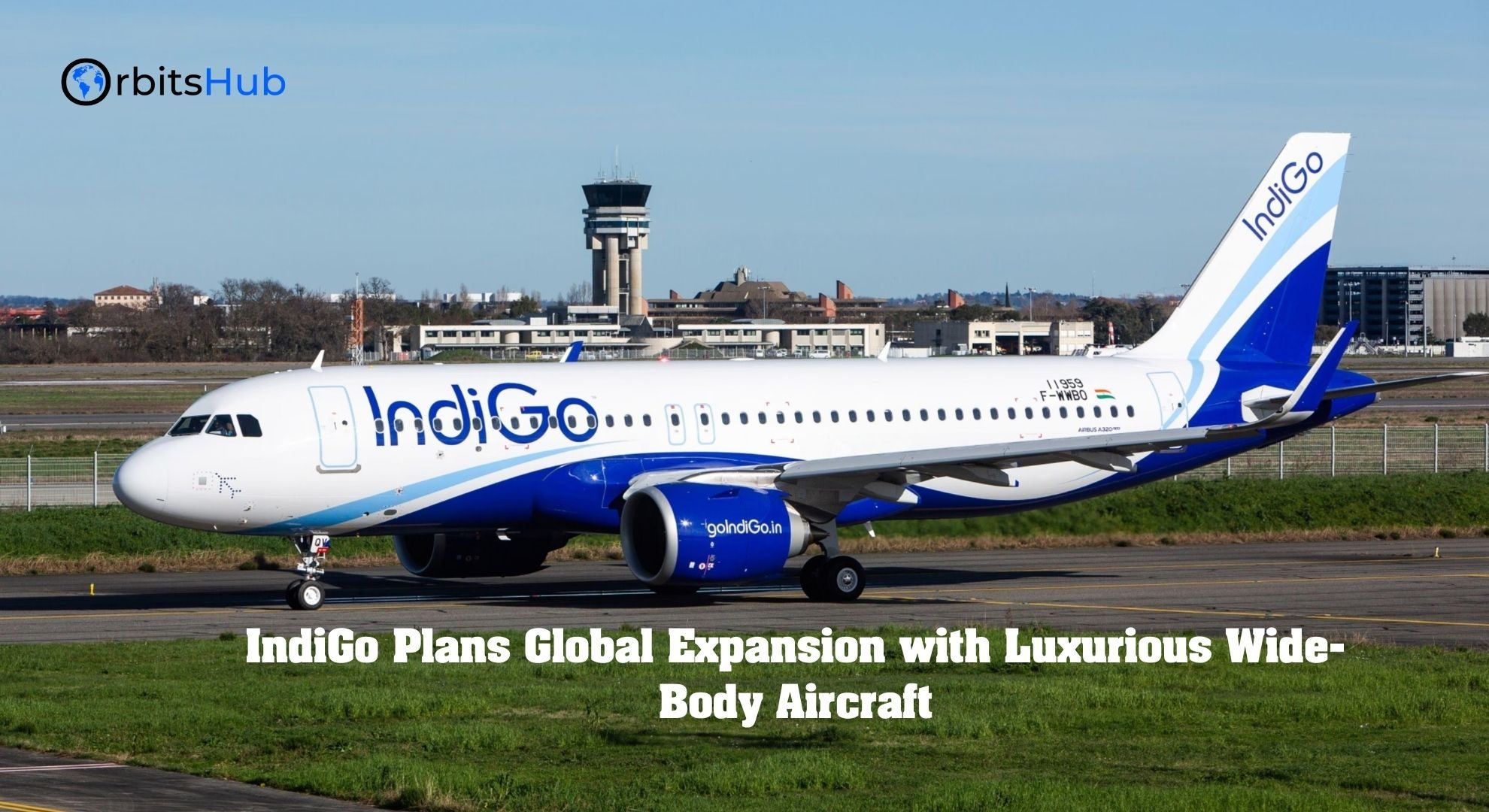
IndiGo Plans Global Expansion with Luxurious Wide-Body Aircraft
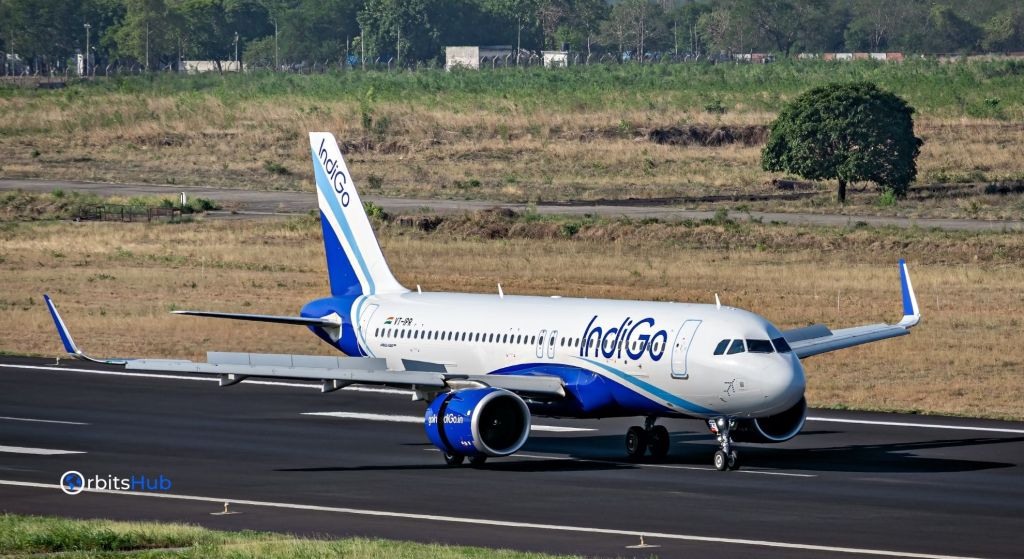
IndiGo, India’s trailblazing airline, is poised to redefine air travel by venturing into wide-body aircraft and introducing business-class seats. This audacious move promises to elevate the in-flight experience, catering to a broader range of travellers while propelling the carrier’s global expansion plans.
Transformative Vision Indigo Wide-Body Aircraft
The aviation industry was astonished when IndiGo ordered 30 wide-body Aircraft A350-900s with an option to buy 70 more. This groundbreaking decision underscores the airline’s ambition and signals a paradigm shift in its operational strategy.
IndiGo’s CEO Pieter Elbers unveiled the airline’s transformative vision during the CAPA India Aviation Summit 2024. He disclosed that the wide-body planes are expected to join IndiGo’s fleet by 2027, ushering in a new era of long-haul, non-stop flights from Indian airports to destinations around the globe.
Exploring Diverse Financing Options
As IndiGo prepares to incorporate wide-body aircraft into its fleet, the airline actively explores diverse financing options to support its ambitious expansion plans. Elbers emphasized that substantial aircraft orders are not merely short-term solutions but integral components of a meticulously crafted long-term strategy.
This strategic approach underscores IndiGo’s commitment to modernizing its fleet, staying competitive in the dynamic aviation industry, and positioning itself as a formidable player on the global stage.
Introducing Business Class Seats: A Game-Changer
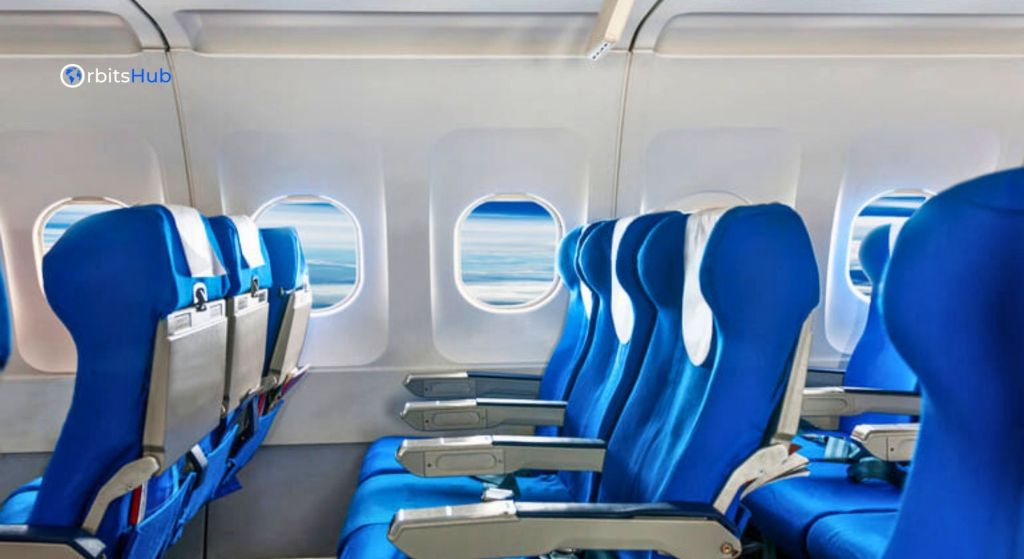
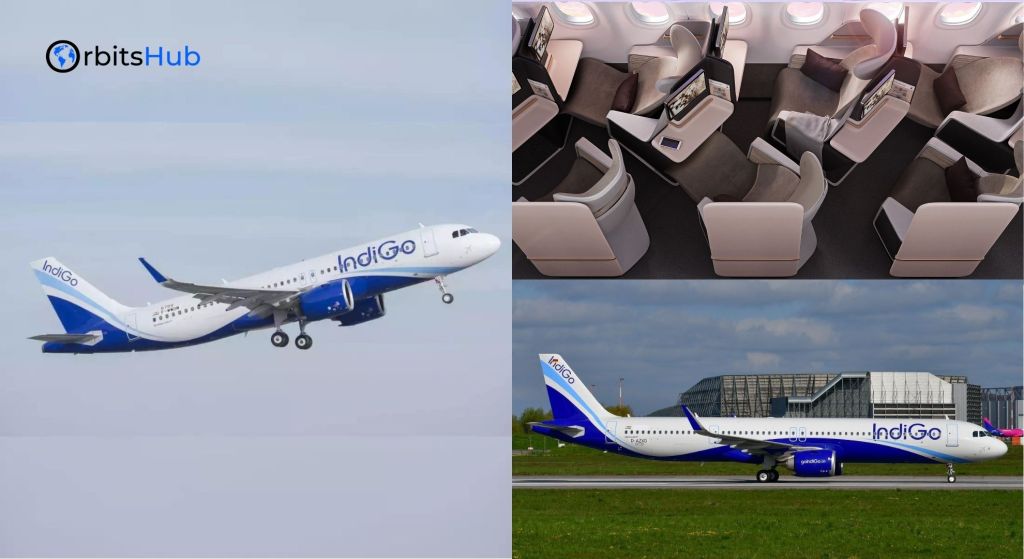
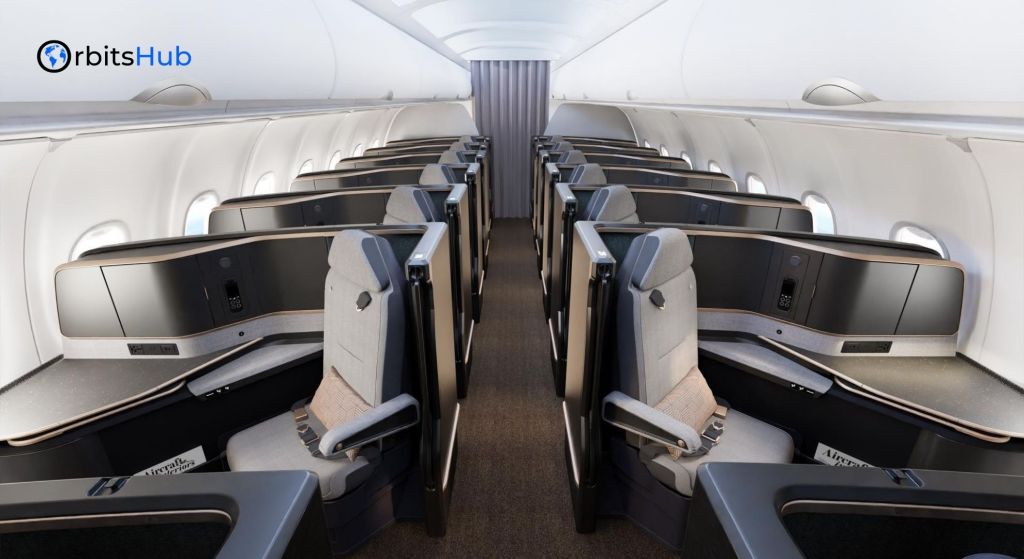
In an exciting development for passengers, IndiGo will introduce business class seats, enhancing the in-flight experience and catering to a broader range of travellers. This change from the airline’s all-economy class design indicates its desire to expand into premium travel.
By offering business class seats, IndiGo aims to provide a luxurious and comfortable travel experience with enhanced amenities and personalized service. This strategic decision aligns with the airline’s vision of becoming a global force in the aviation industry, appealing to leisure and business travellers.
Expanding Horizons with the A321 XLR
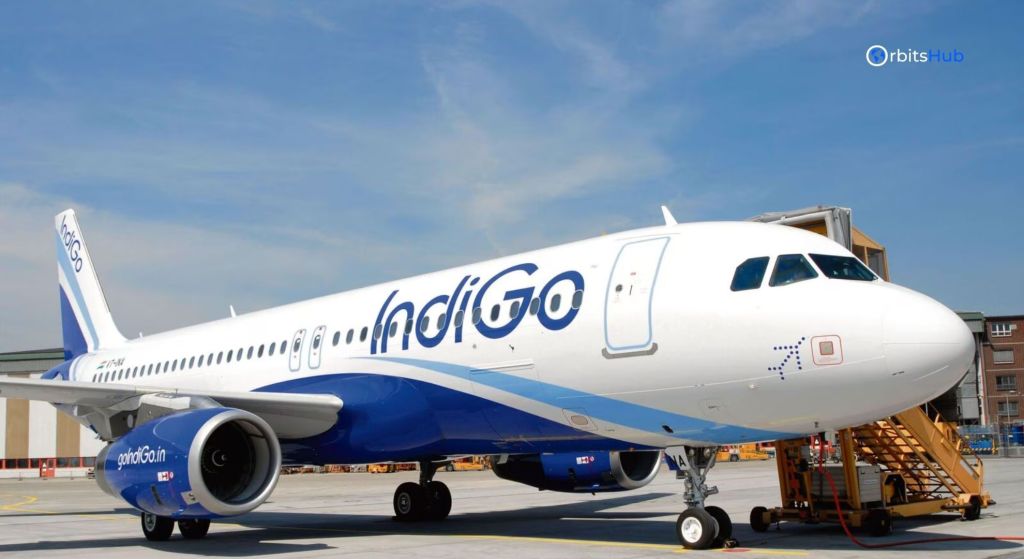
While the wide-body aircraft are set to revolutionize IndiGo’s long-haul operations, the airline is also poised to expand its reach with the introduction of the A321 XLR (Extra Long Range) aircraft in 2024. These state-of-the-art narrow-body planes boast an impressive range, enabling IndiGo to extend its network and connect new destinations without refuelling.
Adding the A321 XLRs will enhance operational efficiency and provide significant advantages for passengers. With the capability to cover greater distances, IndiGo can offer more direct routes, reducing travel times and enhancing flyers’ convenience.
Leveraging India’s Vast Market Potential: Wide-Body Aircraft
The vast market potential within India itself underpins IndiGo’s ambitious expansion plans. Remarkably, over 87 per cent of the country’s population resides within a 100-kilometre radius of an airport the airline serves. This widespread coverage underscores IndiGo’s pivotal role in connecting people and communities, facilitating convenient air travel for millions of passengers nationwide.
By capitalizing on this strategic advantage, IndiGo aims to solidify its dominance in the domestic market while simultaneously establishing itself as a formidable player in the international arena.
Mastering the Art of Network Planning
IndiGo’s low-cost, long-term success depends on network design. Aviation experts say good network plans have helped other long-haul, low-cost carriers thrive.
Reduce competition, target latent demand, promote underserved routes, and employ several hubs. Many successful low-cost carriers use smaller airports with lower operational costs than hubs.
IndiGo CEO Pieter Elbers wants direct international flights from more Indian cities instead of Delhi and Mumbai. Successful long-haul, low-cost carriers use multi-hub strategies and could help IndiGo expand globally.
Striking the Right Balance: Low-Cost with Frills
Lengthy flights should balance comfort and cost. Short-haul and long-haul passengers want more.
Inventive IndiGo. Recommended: chargers, IFE, excellent seats, hot meals.
FSC/LCC long-haul. All-inclusive prices include business and premium economy seats, and amenities cost extra.
Although its long-haul service could be more precise, IndiGo is trying BYOD IFE on Delhi-Goa. Wide-body planes may have seat-back displays and other features.
After testing it on Delhi-Goa, IndiGo has yet to introduce its long-haul BYOD IFE. Wide-body planes with seat-back screens may be possible.
Overcoming Challenges: Fuel Costs and Operational Complexities
Larger planes and longer trips increase fuel costs for low-cost long-haul operators. High long-haul fuel prices may limit pricing and profit margins. Short-haul flight control is more straightforward.
Modern fuel-efficient wide-body aircraft like the A350 may not affect low-cost, long-distance air travel.
Wide-body aircraft operations demand more effort for longer flights, crew rest, aircraft maintenance and repair costs, and turnaround times.
IndiGo must use operational knowledge and creativity to provide affordable, high-quality travel.
Learning from Past Failures and Successes
Many long-haul, low-cost airlines failed due to their challenges. Wow Air, Norwegian, Thomas Cook, Air June, and XL Airlines ignored this market.
Cheap long-haul carriers Scoot, Jetstar, Cebu Pacific, Tui, and French Bee are profitable. These success stories can benefit IndiGo long-term.
By studying these successful carriers’ strategies, offerings, and network designs, IndiGo may find a winning recipe for the Indian market.

Embracing Innovation and Adaptability
As IndiGo enters new terrain, innovation and adaptation are essential. IndiGo must adapt to changing market dynamics, customer preferences, and technology in the airline sector.
This may involve finding new revenue streams, embracing cutting-edge technologies, and improving its products and operations. IndiGo can stay ahead in the increasingly competitive airline industry by encouraging innovation and experimentation.
Sustainable Growth and Environmental Consciousness
IndiGo’s expansion goals must be based on sustainable growth and environmental responsibility in an age of ecological awareness. IndiGo may lead the airline industry in green practices and technology to decrease carbon emissions.
This could include buying fuel-efficient planes, finding alternative fuels, reducing waste, and promoting sustainable travel. IndiGo may help green the world and attract eco-conscious passengers by promoting sustainability.
Soaring to New Heights Indigo Wide-Body Aircraft
IndiGo’s announcement of wide-body aircraft, business class seats, and worldwide expansion is bold and disruptive. Through its strengths, creativity, and learning from others’ successes and failures, IndiGo can redefine air transport and become a worldwide powerhouse. In long-haul, low-cost, the airline will test its luxury and affordability. However, with its unwavering determination and deep understanding of the Indian market, IndiGo is ready to fly higher and give global travellers a fantastic experience.
Ready to improve maritime and aviation? Discover endless possibilities with OrbitsHub.com! Explore our industry-specific consultancy services. Want to know more? Click here to start your OrbitsHub.com experience!