
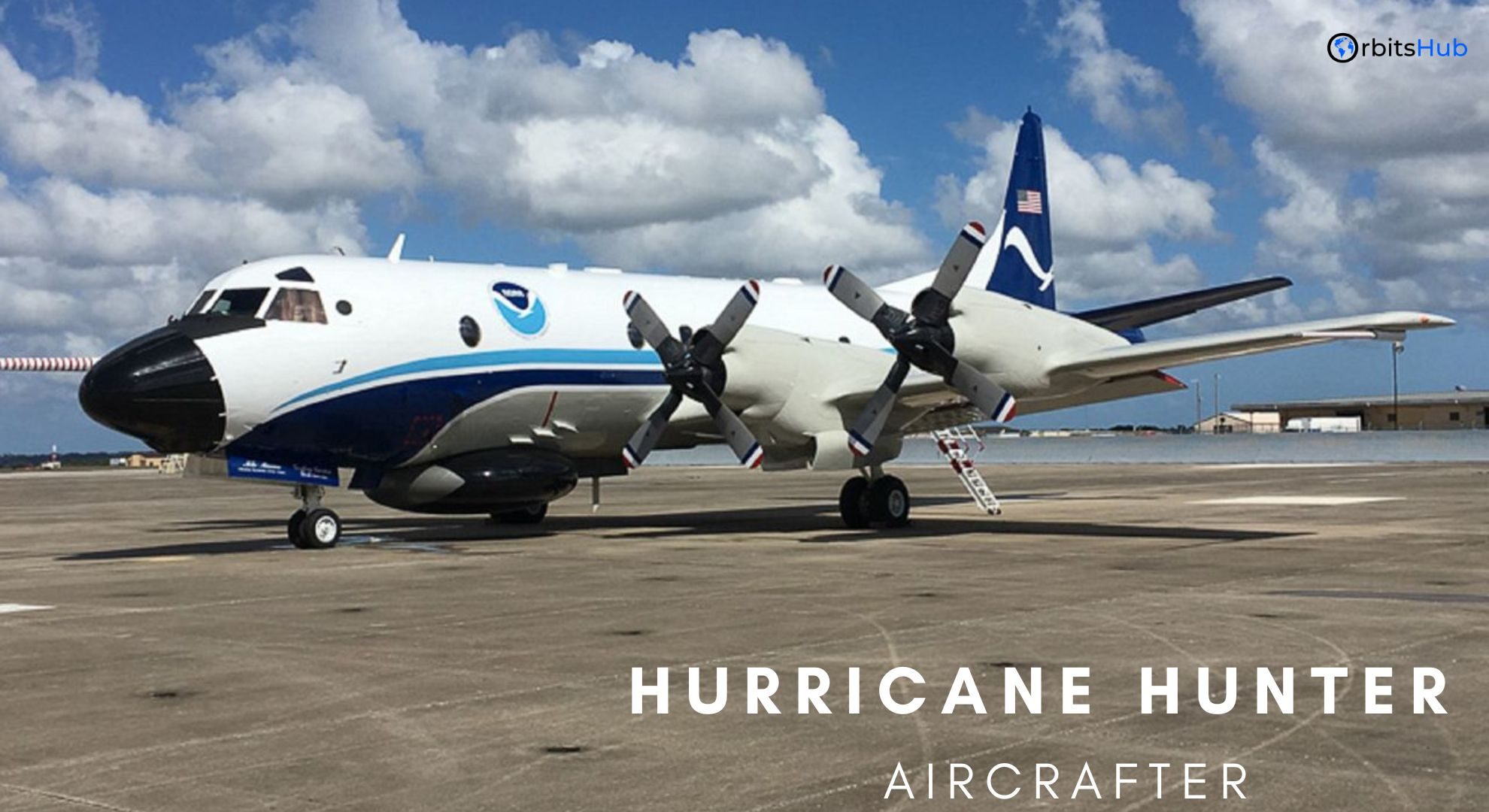
Chasing Storms: The Role of Hurricane Hunter Aircraft
The missions performed by Hurricane Hunter Aircraft are among the most important and intriguing in the entire seas and sky. These specialized planes are not just science instruments; they are the front line of defence in our battle against some of nature’s most formidable forces. As hurricanes grow in intensity and frequency, the need to understand their behaviour, track their path, and predict their impact becomes increasingly urgent. This is where Hurricane Hunter Aircraft come into play.
What Are Hurricane Hunter Aircraft?
Definition and Purpose
Hurricane Hunter Aircraft are specially equipped aeroplanes designed to penetrate and gather data from the heart of hurricanes. Unlike conventional aircraft, these planes have instruments and sensors to fly directly into the storm’s eye, capturing critical data on wind speeds, pressure levels, and storm structure. Their primary purpose is to collect real-time meteorological data vital for accurate weather forecasting and storm tracking.
Historical Background
The concept of using aircraft to study hurricanes dates back to the 1940s. Initially, these missions were carried out using modified military aircraft. Over the decades, technology and understanding of meteorology have advanced, leading to the development of more sophisticated aircraft designed explicitly for hurricane reconnaissance. The United States National Hurricane Center (NHC) and other meteorological agencies have greatly assisted in improving the capability and efficiency of these aircraft.
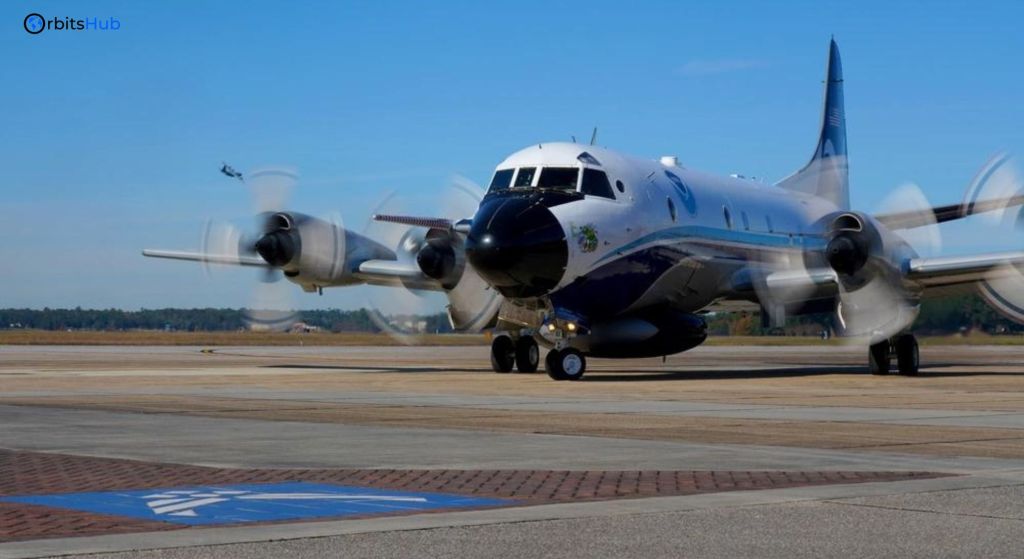
Key Features of Hurricane Hunter Aircraft
Design and Equipment
Hurricane Hunter Aircraft are not your typical passenger planes. They are specially modified to withstand the extreme conditions encountered in hurricanes. Here are some of their key features:
- Robust Structure: Built to endure high winds and heavy turbulence, these aircraft have reinforced structures and specially designed wings and stabilizers.
- Advanced Instruments: These planes transmit vital information about the weather, including humidity, temperature, wind speed, and atmospheric pressure, through their equipped dropsondes, weather radar, and satellite communication systems.
- Airborne Doppler Radar: The aeroplane can measure the storm’s wind speed and direction thanks to this technology, which aids meteorologists in understanding the storm’s structure and strength.
Notable Hurricane Hunter Aircraft
Several aircraft have been pivotal in hurricane research. The WC-130J Super Hercules stands out. This aircraft, operated by the U.S. Air Force Reserve, is a prime example of the cutting-edge technology used in hurricane reconnaissance. Its modifications include a reinforced fuselage, a weather radar system, and the latest in-flight instrumentation.
How Do Hurricane Hunter Aircraft Operate?
Mission Planning and Execution
The operation of Hurricane Hunter Aircraft involves meticulous planning and coordination. Here’s how the process typically unfolds:
- Forecast and Targeting: Meteorologists at the NHC analyze weather models to predict where the storm will be and its expected intensity. Based on this forecast, a flight path is designed.
- Pre-flight Preparation: Before takeoff, the aircraft is equipped with all necessary instruments and the crew is briefed on the mission’s specifics. This includes weather data, potential hazards, and emergency procedures.
- In-Flight Operations: During the flight, the aircraft flies through the storm’s eye, deploying dropsondes at predetermined locations. These dropsondes are small, parachute-equipped devices that collect and transmit data to the helicopter.
- Data Collection and Analysis: The data collected is transmitted in real-time to meteorologists, who analyze it to update forecasts and issue warnings. This information is crucial for predicting the storm’s track and intensity.
Challenges Faced by Crew Members
Flying into a hurricane is a difficult task that demands exceptional skill and courage. Crew members face numerous challenges, including:
- Extreme Turbulence: The violent winds and rapid changes in pressure can make flying extremely turbulent.
- Instrument Malfunction: The harsh environment can lead to equipment failures, requiring pilots and meteorologists to rely on backup systems and manual data collection.
- High-Pressure Situations: The pressure to gather accurate data under challenging conditions can be intense, requiring clear communication and teamwork.
The Impact of Hurricane Hunter Aircraft on Weather Forecasting
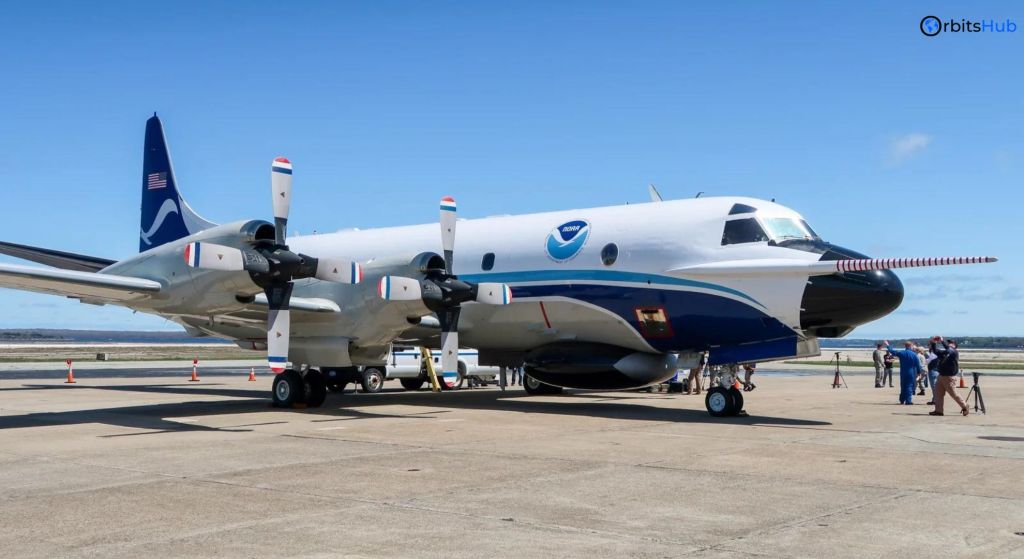
Enhancing Forecast Accuracy
The data collected by Hurricane Hunter Aircraft is invaluable in improving the accuracy of hurricane forecasts. By providing detailed information on the storm’s structure and intensity, these aircraft help meteorologists make more precise predictions about the storm’s path, speed, and potential impact. This has significantly enhanced our ability to issue timely warnings and prepare communities for hurricanes.
Advancing Meteorological Research
Beyond forecasting, Hurricane Hunter Aircraft contribute to advancing meteorological research. The data they gather helps scientists understand the dynamics of hurricanes, leading to better models and an improved understanding of storm behaviour. This research is crucial for developing new technologies and strategies to mitigate the impact of future storms.
Future Prospects and Technological Innovations
Next-Generation Aircraft
Technological progress is opening the door to more efficient future storm surveillance and data collecting, which bodes well for Hurricane Hunter Aircraft. Some of the exciting developments include:
- Unmanned Aircraft: Research is underway to develop unmanned aerial vehicles (UAVs) that can fly into storms without risking human lives. These UAVs have advanced sensors and can collect data over extended periods.
- Improved Sensors and Instruments: Ongoing advancements in sensor technology enhance the accuracy and range of data collected, enabling more detailed and comprehensive storm analysis.
Integration with Satellite and Drone Technology
The integration of Hurricane Hunter Aircraft with satellite and drone technology is set to revolutionize hurricane research. Satellites provide a broad overview of storm systems, while drones and aircraft offer detailed, on-the-ground data. This combined approach promises to enhance our understanding of hurricanes and improve forecasting capabilities.
Hurricane Hunter Aircraft play a critical role in our ongoing battle against hurricanes. Their capacity to gather important data from the storm’s eye helps meteorologists predict and minimize natural disasters. The strong design and cutting-edge technology of these airplanes demonstrate human ingenuity and our dedication to safety and science.
Looking ahead, it’s clear that we will greatly improve our capacity to safeguard lives and property from hurricanes as these planes continuously improve and integrate with new technologies. For more insights into maritime and aviation technology, explore the OrbitsHub website. Join us in our journey to advance safety, innovation, and knowledge in storm tracking and beyond.