SpaceX Falcon Heavy Launches the Mysterious X-37B Robot Spaceplane
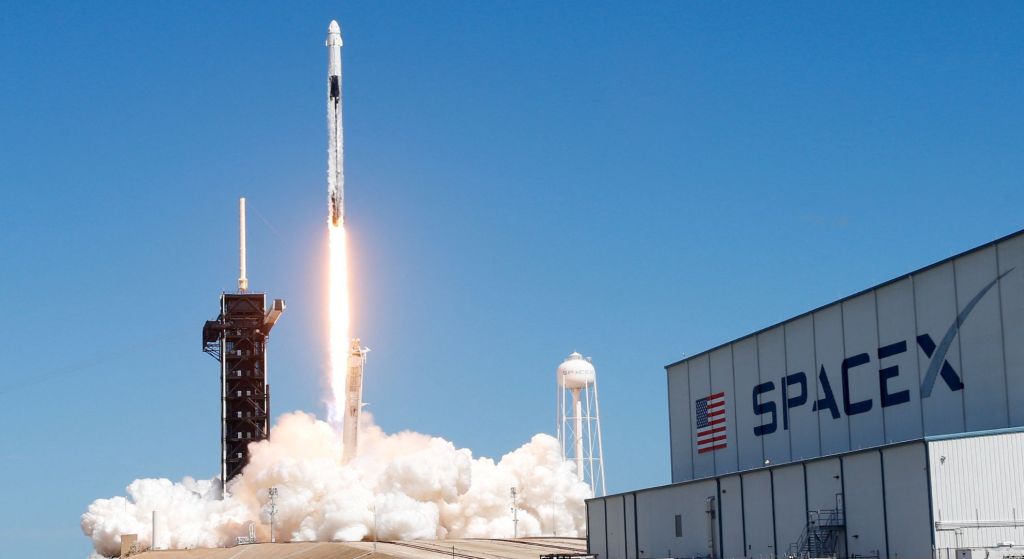
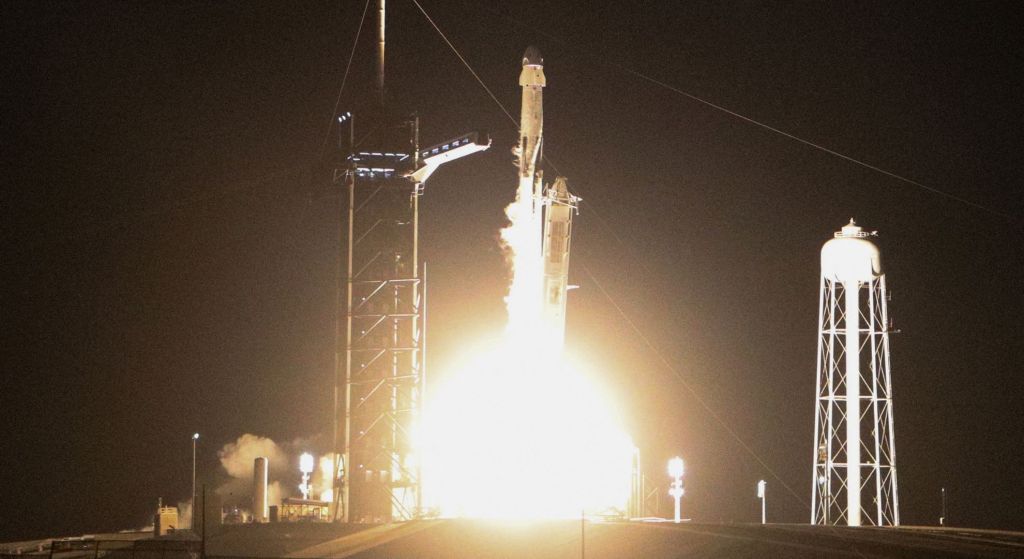
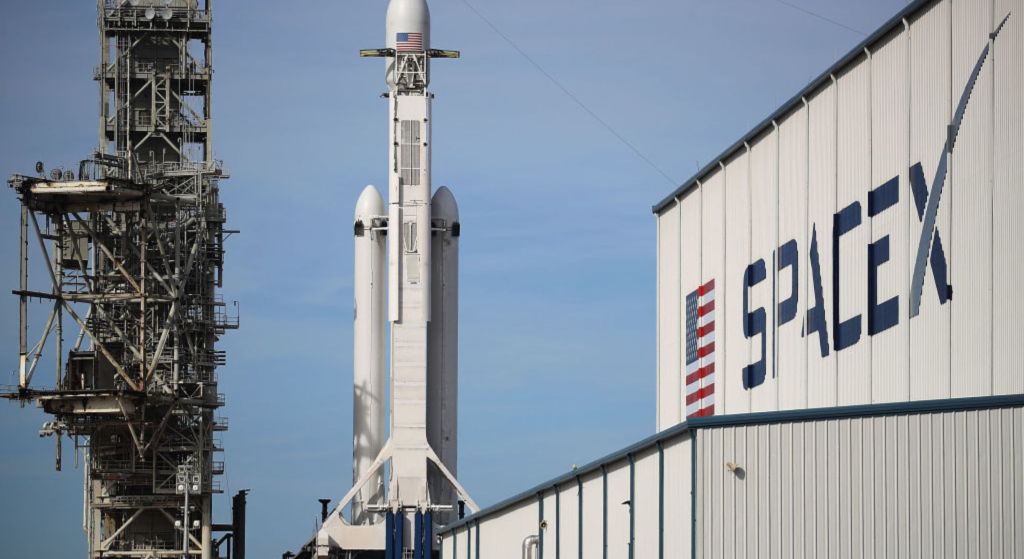
SpaceX’s Falcon Heavy rocket, known for its impressive power and capacity, embarked on a highly anticipated mission on Thursday night. The rocket launched from NASA’s Kennedy Space Center in Florida, carrying the classified X-37B robot spaceplane for the US military. This marked the first time the X-37B was launched on a Falcon Heavy, a significant milestone for SpaceX and the military’s space exploration endeavors.

A Mysterious Mission
The X-37B robot spaceplane, operated autonomously and uncrewed, has long intrigue the space community with its secretive activities and cutting-edge research. often referred to as a miniature version of the retired NASA space shuttles, this reusable and fully autonomous spacecraft has been involved in various experiments and research projects.
Its ability to stay in orbit for extended periods, sometimes over a year, allows it to conduct experiments in microgravity and test new technologies in space. With its classified missions and undisclosed payloads, the X-37B continues to captivate imaginations and fuel speculation about its true capabilities and objectives.
Unprecedented Altitudes and Research
The Falcon Heavy rocket propelled the X-37B to unprecedented altitudes, opening up the possibility of more distant orbits, including the moon or even Mars. According to Paul Graziani, CEO of COMSPOC, a company dedicate to tracking objects in space, this launch with the Falcon Heavy suggests that the X-37B may be destine for more ambitious missions and deeper space exploration.
The X-37B’s previous missions have already provided valuable insights into concepts such as relaying solar energy from space to Earth and studying the effects of radiation on seeds used for food production. With its seventh mission, the X-37B is expecte to continue pushing the boundaries of space operations and pioneering advancements in space technology.
Speculations and Tracking Challenges
Due to the secretive nature of the X-37B’s missions, tracking its whereabouts has always been a challenge. Amateur enthusiasts have raced to track the spacecraft and share theories about its activities. However, suppose the military aims to keep the X-37B’s movements undisclosed. In that case, they can employ various methods, including hiding the vehicle in the sun’s glare or frequently changing its position.
Challenges and Risks of the X-37B Program
- International Tensions: The secrecy surrounding the X-37 B missions can fuel suspicion and mistrust between the US and other spacefaring nations. Discuss how open communication and international collaboration could benefit space exploration.
- Space Debris: The X-37B’s reusability is a positive aspect, but its frequent launches contribute to the growing problem of space debris. Explore potential solutions for mitigating space debris risks and ensuring a sustainable space environment.
Weaponization Concerns: Some critics raise concerns about the potential militarization of the X-37B program. Discuss international treaties and regulations regarding the use of space for military purposes.
The Power of Falcon Heavy
The Falcon Heavy rocket, developed by SpaceX, has established itself as one of the most powerful operational rockets in the world. Combined with its three liquid-fueled rocket cores, it generates immense thrust and can carry heavy payloads deep into space. This impressive power makes the Falcon Heavy an ideal choice for launching the X-37B and potentially exploring more distant orbits.
A New Era for the X-37B
While the X-37B has previously been launched on the SpaceX Falcon 9 vehicle and the Atlas V rocket, the Falcon Heavy’s increase thrust capacity provides new possibilities for the spacecraft. This collaboration between SpaceX and the military opens doors to more ambitious missions, further pushing the boundaries of space exploration and research.
The X-37B’s Potential Destinations
As the X-37B embarks on its seventh mission, speculations arise about its potential destinations. The spacecraft’s previous flights were mainly confine to low-Earth orbit, but this launch with the Falcon Heavy could indicate a journey to more distant orbits or even beyond.
The X-37B, a secretive and autonomous spaceplane operated by the U.S. Space Force, has captured the attention of space enthusiasts and experts alike with its enigmatic missions. While its previous flights have been shrouded in secrecy, utilizing the powerful Falcon Heavy rocket for its seventh mission adds an intriguing element to the speculation. The enhanced payload capacity of the Falcon Heavy raises the possibility that the X-37B could be destined for orbits beyond its customary low-Earth trajectory, prompting discussions about potential objectives in more distant regions of space or even ventures beyond Earth’s orbit
Geosynchronous Orbit and Communication Satellites
One potential destination for the X-37B is geosynchronous orbit, located approximately 22,400 miles (36,000 kilometers) from Earth. Geosynchronous orbit is where most massive communications satellites operate, making it a prime location for the X-37B’s activities.
COMSPOC, a company specializing in tracking satellites, will focus its sensors on geosynchronous orbit to locate and monitor the X-37B if it reaches this destination. However, the spacecraft’s increased distance from Earth will make it more challenging for observers to determine its precise location.
Ambitious Lunar and Martian Missions
Another possibility for the X-37B’s mission is lunar or Martian exploration. The Falcon Heavy’s enhanced capabilities make it feasible for the X-37B to travel deeper into space, potentially supporting long-duration missions to the moon or laying the groundwork for future Mars expeditions. The X-37B’s autonomous operation and versatility make it an ideal candidate for conducting experiments and gathering data in these challenging environments.
The Importance of X-37B’s Research
The X-37B’s missions are crucial in advancing space exploration and technology. These secretive flights enable the United States to conduct experiments that push the boundaries of what is possible in space. General B. Chance Saltzman, Chief of Space Operations, emphasizes the significance of the X-37B’s research in improving space operations and expanding our understanding of the cosmos.
NASA’s Seeds-2 Experiment
Among the research projects onboard this mission is NASA’s Seeds-2 experiment. This experiment explores sustainable methods of growing food in space by exposing plant seeds to the harsh radiation environment of long-duration spaceflight. Building upon previous X-37B missions, Seeds-2 seeks to enhance our knowledge of cultivating crops in outer space’s challenging environment. This research has significant implications for sustaining astronauts during future deep-space missions, where delivering fresh supplies becomes increasingly tricky.
The Return and Landing
After completing its mission, the X-37B will return to Earth, descending through the atmosphere and landing on a runway, much like an airplane. This reusability aspect of the X-37B is another critical feature contributing to its cost-effective and efficient operation.

The Growing US-Sino Rivalry in Space
The X-37B’s launch comes amid a growing rivalry in space exploration between the United States and China. Just two weeks prior, China launched its secretive robotic spaceplane, the Shenlong. Although details about China’s spacecraft are scarce, its mission involves reusable technology verification and space science experiments for peaceful space utilization.
The simultaneous launches of the X-37B and the Shenlong highlight the competition between the two nations and their efforts to match each other’s timing and sequence of space missions. As both objects orbit Earth, they become subjects of intense observation and analysis.
FAQ’s
1. What is the Falcon Heavy rocket?
The Falcon Heavy rocket is a powerful launch vehicle develop by SpaceX. It is design to deliver heavy payloads into space and can carry satellites, spacecraft, and other payloads to various orbits.
2. What is the X-37B robot spaceplane?
The X-37B is an unmanned spaceplane operate by the United States Air Force. It is a reusable spacecraft that resembles a miniature version of the Space Shuttle. The purpose and specific details of its missions are often classified.
3. How does the Falcon Heavy launch the X-37B?
The Falcon Heavy rocket launches the X-37B by carrying it as a payload to space. Once in orbit, the X-37B separates from the missile and performs its mission objectives, including conducting experiments, testing technologies, or surveillance.
4. Why is the X-37B shrouded in secrecy?
The X-37B’s missions are often classify, and the exact nature of its activities in space is not publicly disclose. The secrecy surrounding the X-37B is primarily due to its role in conducting sensitive military and scientific experiments and testing advanced technologies.

5. What are the advantages of using the Falcon Heavy to launch the X-37B?
The Falcon Heavy offers several advantages for launching the X-37B. It provides a reliable and cost-effective means of delivering the spaceplane to its desired orbit. The Falcon Heavy’s reusability also allows for potential cost savings in future missions involving the X-37B.
SpaceX’s Falcon Heavy rocket has again demonstrated its power and capability by launching the secretive X-37B robot spaceplane for the US military. This collaboration represents a significant milestone in space exploration, enabling the X-37B to reach unprecedented altitudes and potentially embark on ambitious missions to the moon, Mars, or beyond.
As the X-37B conducts its seventh mission, it continues to push the boundaries of space research and technology. Its autonomous operation, versatility, and ability to conduct experiments in harsh space environments. The X-37B’s research, including NASA’s Seeds-2 experiment, holds the key to sustaining astronauts during extended space missions.
The exact location of the X-37B’s mission is still a mystery. However, the launch of the Falcon Heavy rocket marks the beginning of a new age in space research. With bated breath, the space community awaits word on the X-37B’s whereabouts. They are hoping for revolutionary findings that will define space travel in the future.