The Beluga aircraft represents a fascinating blend of engineering prowess and practical design. This unique aeroplane, with its distinctive shape reminiscent of a beluga whale, has captured the fascination of aviation enthusiasts worldwide. This article covers Beluga’s background, evolution, design, and operational powers.
An Overview of the Beluga Aircraft
The Beluga aircraft, officially known as the Airbus A300-600ST (Super Transporter), is a modified version of the A300-600R wide-bodied medium and long-range airliner. The Airbus consortium designed and manufactured it as a successor to the Super Guppy aircraft. Initially, the Beluga was intended for Airbus’ internal manufacturing needs, primarily for transporting large assembled sections of aircraft fuselages and wings.
Design and Development
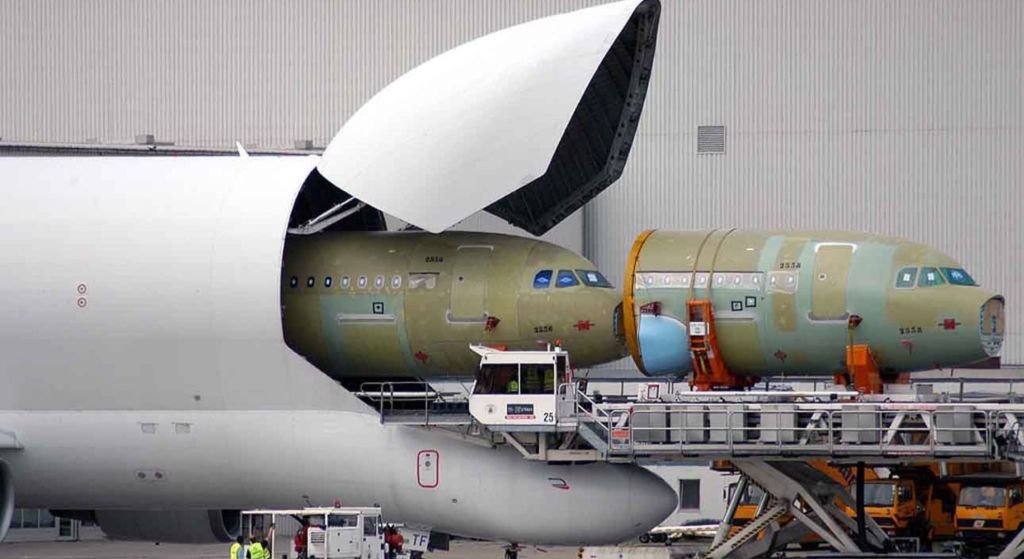
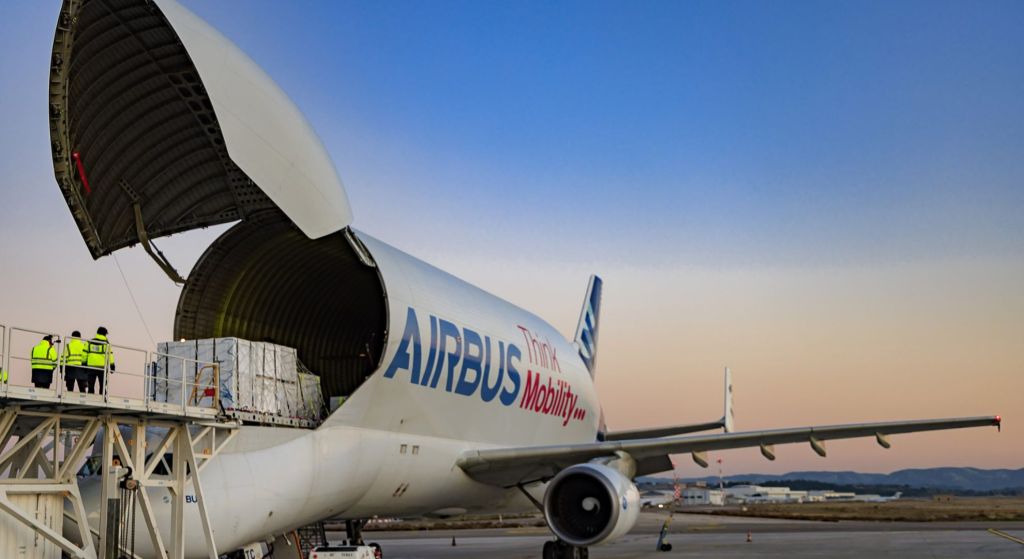
The design and development of the Beluga aircraft was carry out by the Special Aircraft Transport International Company (SATIC), a joint venture between Aerospatiale and Daimler-Benz Aerospace. The aircraft’s distinct design, with its flight deck located below the level of the main deck, allows for easy roll-on/roll-off transfer of cargo. The big, single-piece main luggage door swings forward and up, making getting to the storage area easy.
The Future of the Beluga: BelugaXL and Beyond
This section could discuss the Airbus BelugaXL, the larger successor to the Beluga aircraft. You could mention its development, increased capacity, and how it will meet Airbus’ future transportation needs. You could also touch on any potential future replacements for the BelugaXL or even explore concepts for even larger cargo aircraft.
The Impact of the Beluga on the Aviation Industry
This section could explore the broader impact of the Beluga aircraft on the aviation industry. Here are some ideas to consider:
- How has the Beluga’s unique design influenced other outsized cargo aircraft?
- How has Beluga’s efficiency in transporting large parts streamlined aircraft production for Airbus and potentially other manufacturers?
- Has the Beluga’s success paved the way for more innovation in oversized cargo transportation?
Structural Details of Aircraft Beluga
The Beluga aircraft is 56.15 meters long, with a wingspan of 44.84 meters and a height of 17.24 meters. The height of the opened cargo door is an impressive 16.78 meters. The main cargo deck has a usable length of 37.7 meters. The cargo hold is 7.08 meters high and 7.04 meters wide, allowing for the transport of huge items.
Cargo Capacity
The Beluga can carry just over 1,500 cubic meters or up to 47 tonnes over 900 nautical miles. Lighter loads can be transport over longer distances, such as 40 tonnes to 1,500 nautical miles and 26 tonnes to a range of over 2,500 nautical miles.
Performance and Specifications of Beluga Whale Plane
The Beluga aircraft, powered by GE CF6-80C2A8 engines, has a cruise speed of 0.7 Mach. It can work at up to 35,000 feet (10,670 meters). The plane can carry up to 155 tonnes of weight when it takes off and up to 140 tonnes when it lands.
Cargo Loading Process
The Beluga’s main cargo deck is at a height of 5.5 meters from the ground level, requiring suitable ground handling facilities at airports. Airbus has found a solution by creating an integrated loading ramp for the Beluga. This ramp enables the Beluga to fly into airports without the need for loading and unloading facilities.
Noteworthy Loads
Over the years, the Aircraft Beluga has transported large and delicate cargo, ranging from space station elements and helicopters to works of art and humanitarian aid. The NASA X-15 Venture Star spacecraft’s most notable loads are: An aluminum fuel tank The Raffaello pressurized logistics module for a space station.
Engine Details about Aircraft Beluga
The Beluga aircraft is fitted with GE CF6-80C2A8 engines, providing a cruise speed of 0.7 Mach. The maximum operating altitude is 35,000 feet (10,670 meters).
In Service History
The Beluga entered service in January NUM It has proven invaluable for Airbus in transportation needs. Additionally, it serves other sectors such as space, energy, military, maritime, and humanitarian operations. By the fourth Beluga going into service in NUM0, Airbus had gained a significant amount of experience. They had accumulated extensive knowledge about handling large loads on a daily basis.
Companies Involved
Several companies contributed to the success of the Beluga aircraft project. Airbus EADS CASA built the central part of the body and the horizontal stabilizers. British Aerostructures Hamble Ltd. and German firm EADS Dornier constructed the top access cargo door. The French company Latocoere was in charge of the flight deck, while EADS Sogerma was in charge of the final assembly.
The Beluga aircraft is a testament to human ingenuity and the power of innovative design. Its distinctive appearance, impressive cargo capacity, and noteworthy service record make it an iconic figure in the world of aviation. The Beluga is not just a plane; it symbolizes how far we’ve come and how much further we can go in aerospace technology.
FAQ’s
1. What is a Beluga Aircraft?
The Beluga Aircraft, officially known as the Airbus A300-600ST (Super Transporter), is a large aircraft developed by Airbus to transport oversized cargo, including aeroplane parts, between their manufacturing facilities across Europe.
2. What is the primary purpose of the Beluga Aircraft?
The primary purpose of the Beluga Aircraft is to transport oversized cargo, such as wings and fuselage sections of other Airbus aircraft, between different production sites, ensuring timely assembly and delivery of components for Airbus planes.