

Few things inspire confidence like settling into your aeroplane seat for a journey. But even amidst the excitement of exploration, familiarizing yourself with aviation safety procedures is paramount. Understanding aeroplane emergency exit doors is crucial to ensuring a smooth and safe evacuation in the unlikely event of an emergency.
Why Are Emergency Exit Doors Important?
Commercial aeroplanes are designed with multiple emergency exit doors strategically positioned throughout the cabin. These exits serve a critical purpose:
- Swift Evacuation: In an emergency, every second counts. Emergency exit doors allow passengers to be more easily evacuated than regular cabin doors. This is especially important when the aircraft needs to be vacated quickly due to fire, smoke, or other hazards.
- Improved Passenger Flow: With more exits functioning, the flow of passengers during an evacuation becomes more efficient, minimizing congestion and panic.
Understanding Emergency Exit Doors: A Passenger’s Guide
Location: While the exact placement may vary depending on the aircraft type, emergency exit doors are typically near the regular cabin doors and over the wings. Flight attendants will point out their locations during the pre-flight safety briefing.

Operation: Emergency exit doors are designed for ease of use, even in stressful situations. They often feature clear instructions and simple mechanisms like handles or levers for opening. Flight attendants will provide specific instructions on operating these doors during an emergency.
Important Considerations:
- Strength Requirement: Opening an airplane emergency exit doors requires a firm push or pull. If you are seated next to an exit, you must be physically capable of operating the door. Feel free to speak to a flight attendant if you have any concerns.
- Exit Window: Each emergency exit will have a corresponding window that serves a dual purpose. It allows passengers to assess the situation outside the aircraft before evacuation and provides additional ventilation during ground operations.
- Wing Deployment: If your assigned seat is next to an over-wing exit, be aware that the wing will be directly below the window. This might necessitate a slightly different evacuation procedure than exits over the fuselage. Flight attendants will clarify these details during the briefing.
Responsibilities of Passengers Seated Next to Emergency Exits
While being seated by an emergency exit offers the advantage of quicker evacuation, it also comes with additional responsibilities:
- Understanding Procedures: Pay close attention to the pre-flight safety briefing, specifically the section on emergency exit operations. Feel free to approach the flight attendants with any inquiries you may have.
- Physical Capability: As mentioned earlier, operating the exit door requires particular strength. If you have any concerns about your physical ability, it’s best to inform the cabin crew and request a different seat.
- Clearance of Obstructions: Ensure that your carry-on luggage or belongings are not blocking the exit path or hindering access to the door handle.
- Following Instructions: During an emergency, strictly follow the instructions provided by the flight attendants. In a safe and timely manner, they are qualified experts who will lead you through the evacuation procedure.
Tips for Passengers with Concerns About Emergency Exit Seating
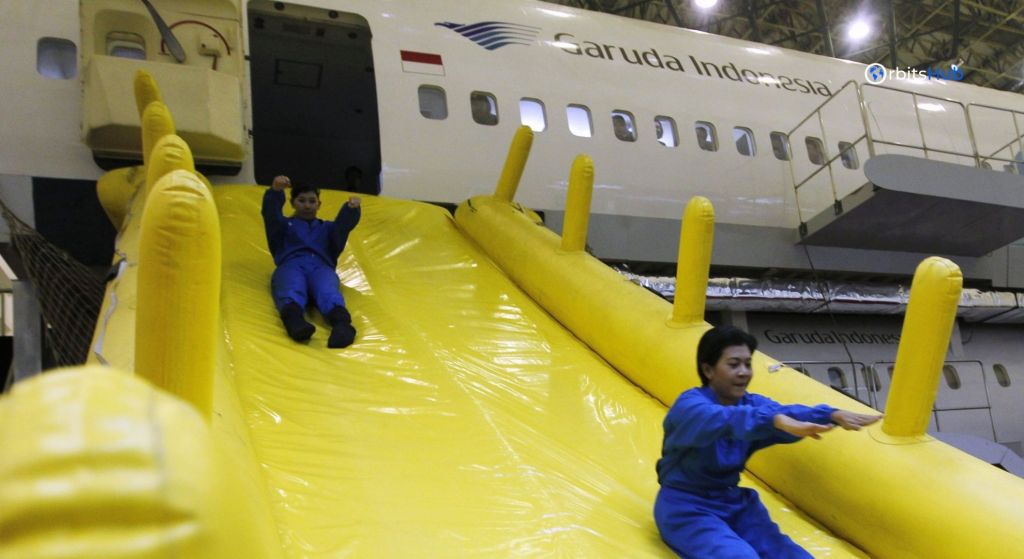
If an emergency exit assigns you a seat and you have some concerns, here are some tips:
- Talk to the Flight Attendant: Don’t hesitate to explain your concerns to a flight attendant politely. Feel free to ask them about the processes, physical requirements, or alternate seating arrangements.
- Request a Demonstration: If you’d feel more comfortable, you can request the flight attendant to demonstrate how to operate the emergency exit door during a less busy time after boarding.
- Consider Alternative Seating: If your concerns persist, you can politely ask the cabin crew if it’s possible to be reassigned to a different seat. They will make every effort to fulfil your request based on their availability.
- Remember that ensuring everyone is relaxed and ready is the main objective. Addressing your concerns can contribute to a smooth and safe flight experience for yourself and your fellow passengers.
Knowledge is Power, Especially in the Air
Understanding aeroplane emergency exit doors empowers you to contribute to a safe and swift evacuation in an emergency. By familiarizing yourself with their location, operation, and responsibilities as a passenger seated near an exit, you can ensure a calmer and more coordinated response during an unexpected situation.
Are you thinking of exploring the exciting world of aviation or maritime industries? You may get all the help and advice from OrbitsHub, a top consultation service. Visit their website or contact them immediately to obtain more information about the extensive range of services they provide!


