When we gaze upon a majestic ship, slicing through the waves with grace, we often marvel at its sheer size and power. Yet hidden beneath the waterline lies a humble but crucial component the keel of a ship. Let’s delve into the depths of shipbuilding to understand the significance of this unassuming structure.
Evolution of Keel Design
Over centuries, the design of ship keels has undergone significant evolution, reflecting advancements in materials, construction techniques, and naval architecture. Early keels were often made of timber, providing stability and structural integrity. Iron and steel keels became prevalent with the Industrial Revolution, offering greater strength and durability. In modern times, composite materials like carbon fibre have revolutionized keel design, enabling lighter yet stronger structures. The evolution of keel design mirrors the progress of shipbuilding technology, continually seeking the optimal balance between stability, manoeuvrability, and performance.
Keel Maintenance and Care
Proper maintenance and care of a ship’s keel are vital for ensuring its longevity and performance. Regular inspections for signs of corrosion, damage, or fouling are essential, especially for steel or iron keels prone to rust. Cleaning and anti-fouling treatments help prevent marine growth, which can affect a keel’s hydrodynamic efficiency. Structural integrity checks, including weld inspections for metal keels, should be part of routine maintenance. Additionally, maintaining the keel’s protective coatings and promptly addressing any wear or damage are crucial steps in preserving the keel’s functionality and the overall safety of the vessel.
What Is a Keel?
The keel serves as the spinal column of a vessel. It runs longitudinally along the hull’s centerline, extending from the bow (front) to the stern (rear). Whether a massive cargo ship or a sleek sailboat, the keel provides stability, balance, and structural integrity.
Origins and Etymology
The word “keel” traces its lineage back to Old English and Old Norse. In those ancient tongues, “cēol” and “kjóll” meant “ship” or “keel.” Scholars consider “keel” the earliest recorded English word in writing. In his 6th-century Latin work De Excidio et Conquestu Britanniae, Gildas mentioned “cycle,” referring to the three ships where the Saxons first arrived.
Keel Construction Styles
Frame First
In traditional carvel-built hulls, shipwrights commence construction by laying the keel. The process unfolds as follows:

- Keel Laying: The keel is the first piece placed, marking the ship’s birth.
- Stern and Stem: The stern (rear) and stem (front) follow suit once the keel is in place.
- Frames: Key points along the keel receive frames, forming the ship’s skeleton.
- Keelson Attachment: The keelson, a longitudinal timber, attaches to the keel, reinforcing the structure.
Plank First:
In some shipbuilding methods, planking takes precedence over the keel. However, details on this approach still need to be discovered.
Structural Keels
Modern shipbuilding often involves prefabricated hull sections. Still, the keel remains essential:
- Flat Plate Keel: Common in ocean-going vessels, this flat, sturdy keel ensures stability.
- Bar Keel: Found in smaller ships like trawlers and ferries, it balances strength with grounding concerns.
Keel’s Vital Functions
Stability
The keel’s weight counteracts the vessel’s tendency to tip. It prevents capsizing during rough seas or sudden maneuvers.
Lateral Resistance
As the ship sails, the keel resists sideways drift (leeway). Sailboats rely on this to maintain the course.
Lateral Support
When the wind fills the sails, the keel’s shape generates an upward force, preventing excessive heeling (tilting).
Propeller Protection
The keel shields the propeller, ensuring smooth propulsion and safeguarding against underwater obstacles.

Keel Laying: A Momentous Event
Historically, laying the keel marked the official start of a ship’s construction. It’s a symbolic gesture today, as boats are assembled in modular sections. Still, the keel’s legacy endures—a testament to human ingenuity and maritime tradition.
In summary, the silent and steadfast keel anchors our seafaring vessels, embodying centuries of craftsmanship and resilience. So, the next time you admire a ship, remember the unsung hero beneath the waves—the keel.
Keel Materials: From Timber to Modern Composites
The keel’s material composition has evolved significantly over time. Let’s explore the various materials used in keel construction:
Traditional Timber Keels
- Oak: Because of its resilience to decay, pests, and water, oak was traditionally the wood of choice. The mighty ships of yore owed their stability to oak keels.
- Teak: Teak, prized for its natural oils and resistance to rot, found favor in shipbuilding. It graced the keels of many elegant vessels.
Transition to Iron and Steel
- Iron Keels: In the 19th century, iron keels gained prominence. They offered greater weight without sacrificing strength. Iron keels also facilitated better ballast distribution.
- Steel Keels: As steel production advanced, shipbuilders embraced steel keels. Their malleability allowed intricate designs, and they resisted corrosion admirably.
Modern Composite Keels
- Lead Bulb Keels: Sailboats now feature lead bulb keels. These streamlined appendages enhance stability and performance. The bulb shape concentrates weight at the lower end, reducing drag.
- Carbon Fiber Keels: Cutting-edge racing yachts employ carbon fiber keels. Lightweight and stiff, they optimize speed and maneuverability.
Keel Design: Shape Matters
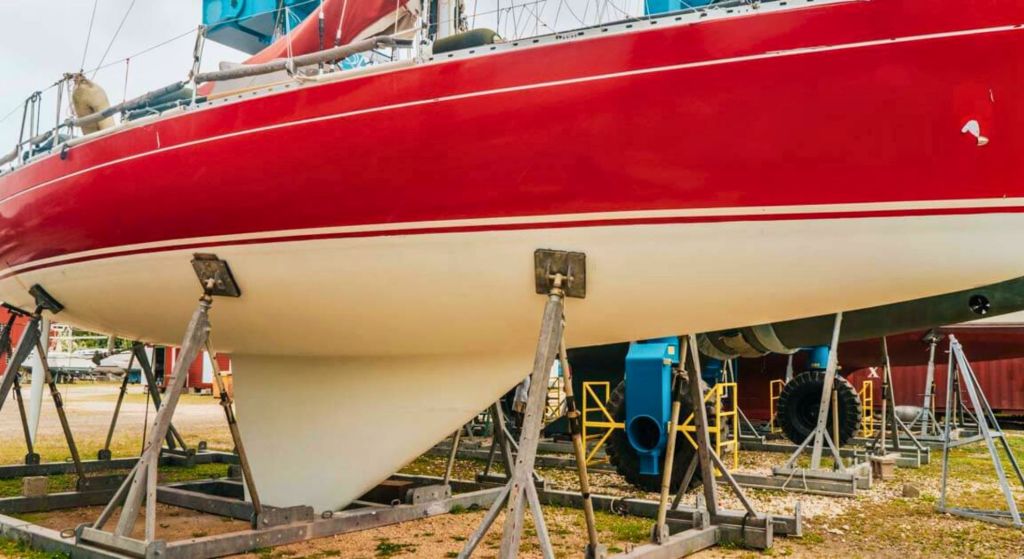
The keel’s shape profoundly influences a ship’s behavior. Let’s delve into the intricacies:
Full-Length Keels
- Long Keels: Traditional sailboats often sport long, full-length keels. These extend from bow to stern, providing exceptional stability. However, they sacrifice agility.
- Cutaway Keels: A variation of the long keel, cutaway keels taper toward the stern. They manage to be both stable and maneuverable at the same time.
Fin Keels
- Fin Keels: Common in modern sailboats, fin keels are shorter and more profound. They enhance maneuverability but require additional ballast for stability.
- Bulb-Fin Keels: A hybrid design, these combine a fin keel with a lead bulb. The bulb’s weight lowers the center of gravity, improving stability and performance.
FAQ’s
1. What is the keel of a ship?
The keel is a ship’s central beam or backbone running along its length from the bow (front) to the stern (rear). It strengthens and stabilizes the vessel’s structure.
2. Why is the keel necessary for a ship?
The keel serves multiple crucial purposes. It provides stability by lowering the ship’s center of gravity, offers resistance to sideways drifting (called leeway), and is the foundation for attaching the ship’s framework and hull.
The ship’s keel stands as an indispensable foundation, embodying centuries of maritime engineering wisdom. Serving as the backbone of vessels throughout history, its significance cannot be overstated. From ancient seafaring civilizations to modern maritime technologies, the keel of a ship remains a symbol of stability and strength, anchoring ships against the relentless forces of the sea. Its design and construction are a testament to human ingenuity, evolving alongside advancements in naval architecture. As we navigate the vast expanse of our oceans, let us remember the enduring importance of the keel. This fundamental component ensures the safety and success of every voyage.