

The U.S. Navy ships is bolstering its defensive capabilities with a revolutionary upgrade: the SPY-6 radars. This next-generation technology promises a significant leap in threat detection and electronic warfare protection for American vessels.
The SPY-6 Advantage: Enhanced U.S. Navy Ships
The SPY-6 goes beyond simply detecting threats. Here’s how it elevates naval defence:
- Superior Detection and Tracking: According to the SPY-6 boasts a drastic improvement in its ability to pinpoint and track incoming threats, including ballistic and cruise missiles, enemy aircraft, and even surface vessels. This expanded range and precision are crucial in today’s complex maritime environment.
- Multi-Threat Defense: Modern warfare often involves a barrage of attacks. The SPY-6 is designed to handle this by simultaneously defending against various threats, ensuring the ship can effectively counter coordinated assaults.
- Integrated Electronic Warfare (EW) Protection: The SPY-6 family integrates advanced EW capabilities. This is vital as adversaries increasingly rely on electronic jamming and disruption tactics. The SPY-6 safeguards American ships from these attempts to blind their radars and communication systems.
- Dual Functionality for Amphibious Ships: Certain SPY-6 variants, like the one deployed on the USS Richard M. McCool Jr. (LPD 29), can double as air traffic control systems. This is particularly valuable for amphibious assault ships that work closely with helicopters and other aircraft during operations.
These advancements make the SPY-6 a game-changer for the U.S. Navy. Its superior detection, multi-threat defence, and EW protection ensure American ships are better equipped to navigate any situation they might encounter.
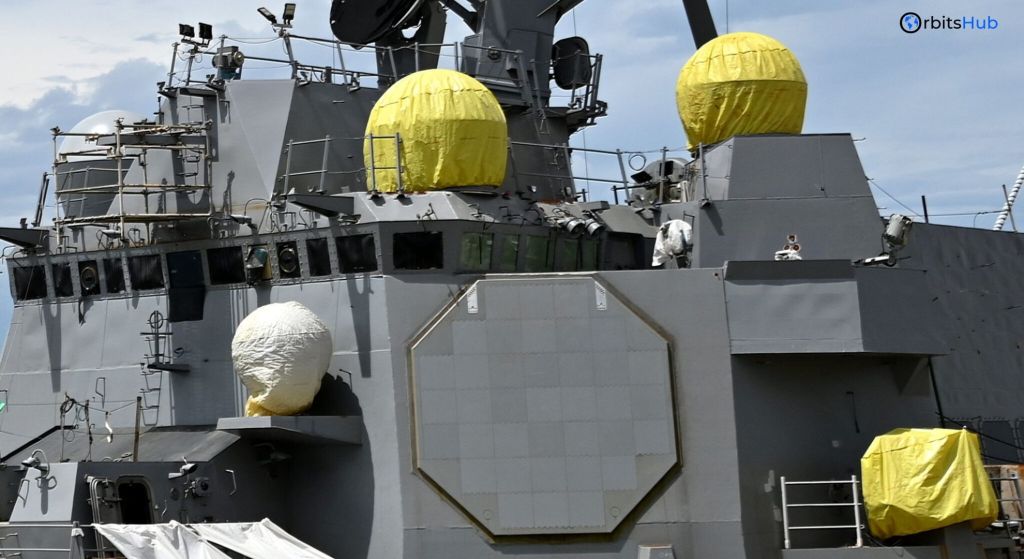
The Road to Modernization: A Phased Approach with Continuous Progress
The rollout of the SPY-6 family is strategic and ongoing:
- Phased Implementation: The Navy strategically implements the SPY-6 in phases, prioritizing the most advanced Flight IIA Arleigh Burke-class destroyers. The USS Jack H. Lucas (DDG 125) was the first to be commissioned with the SPY-6 in October 2023.
- Securing Additional Units: The U S Navy Ships commitment to the SPY-6 program is evident in its continuous procurement. A recent contract with Raytheon secured seven additional units, bringing the total to 38. This ensures widespread deployment of this advanced technology across the fleet.
- Reaching Initial Operational Capability (IOC): The initial operational capability (IOC) signifies when a new system is fully functional and ready for deployment. According to experts in the field, the SPY-6 is expected to reach a significant program milestone IOC by the end of the fiscal year 2024’s fourth quarter.
The phased implementation, continuous procurement, and anticipated IOC timeline demonstrate the Navy’s commitment to making the SPY-6 a cornerstone of its defensive strategy.
The U.S. Navy Ships SPY-6 Variants: Tailored Solutions for Different Needs
The SPY-6 family is a more than one-size-fits-all solution. Raytheon, the manufacturer, has developed different variants to cater to the specific needs of various ship classes:
- AN/SPY-6(V): This is the baseline variant designed for destroyers like the Arleigh Burke-class. It offers superior detection, multi-threat defence, and integrated EW protection functionalities.
- AN/SPY-6(V)1: This variant is optimize for larger combatants and provides enhance range and performance compare to the baseline AN/SPY-6(V).
- AN/SPY-6(V)2: This variant, deployed on the USS Richard M. McCool Jr. (LPD 29), integrates an air traffic control (ATC) mode. This dual functionality is precious for amphibious assault ships that work alongside helicopters and other aircraft.
These variants demonstrate the SPY-6 family’s adaptability. The Navy can choose the most suitable version based on the specific capabilities required for each ship class.

The Future of U.S. Navy Ships Defense: Beyond the SPY-6
While the SPY-6 is a significant leap forward, the Navy constantly innovates. Here’s a glimpse into what the future might hold:
- Integration with Other Systems: The SPY-6 is design to seamlessly integrate with other onboard defensive systems, creating a layered defence network. Future advancements might see tighter integration and data sharing between the SPY-6 and other defensive technologies.
- Artificial Intelligence (AI) Integration: AI has the potential to revolutionize radar systems by automating target identification, threat prioritization, and even resource allocation decisions. While not currently implemented in the SPY-6, future iterations might incorporate AI for enhanced automation and decision-making.
- Directed Energy Weapons Integration: Directed energy weapons like lasers are becoming increasingly viable for naval defence. Future radar systems could work with these weapons, providing real-time targeting data for precise engagement.
These potential advancements highlight the U S Navy Ship commitment to staying ahead of the curve in maritime defence technology. The SPY-6 is a crucial step in this ongoing process, paving the way for a future where American naval vessels are even more secure and effective.
The SPY-6 radar upgrade is a paradigm shift for the US Navy. It equips American ships with cutting-edge technology to counter evolving threats and ensure their safety and security at sea. As the rollout progresses, the SPY-6 will undoubtedly become a mainstay in the Navy’s fleet, solidifying American dominance in maritime defence.
Are you curious about maritime and aviation consultancy services? Explore orbitshub.com today to discover expert insights and solutions tailored to your industry needs. Visit now and elevate your operations with OrbitsHub!


