Amphibious assault ships are not just marvels of engineering; they are the backbone of modern military supremacy. These versatile vessels allow forces to launch and support operations across land and sea, providing an unmatched advantage in warfare. In this blog, we’ll explore the significance of amphibious assault ships, their role in military strategy, and why they are considered essential assets for any nation’s defence force.
The Evolution of Amphibious Assault Ships
Amphibious assault ships have come a long way from their humble beginnings in the early 20th century. Originally designed for transporting troops and supplies across the water, these ships have evolved into formidable weapons of war, capable of launching and supporting large-scale land invasions. The design of these vessels combines elements of both naval and ground combat, offering unrivalled flexibility.
In the past, armies relied heavily on land-based forces for combat, with naval support limited to providing firepower. However, amphibious warfare changed the dynamics of combat. Today, these ships serve as mobile airbases, landing platforms, and floating command centres. Their ability to carry not just soldiers but also tanks, aircraft, and artillery makes them indispensable in modern warfare.
The Strategic Importance of Amphibious Assault Ships

Amphibious assault ships are at the heart of military strategy due to their versatility and mobility. These vessels provide the ability to launch quick, surprise operations in hostile environments, making them essential for rapid response scenarios. Whether it’s seizing critical ports, securing strategic islands, or evacuating citizens in times of conflict, these ships are vital in shaping the outcome of battles.
One of the key benefits of amphibious assault ships is their ability to support military operations without the need for extensive land-based infrastructure. This is particularly advantageous when operating in areas where access to traditional bases is limited. The ships themselves become the base, eliminating the need for time-consuming logistics operations. Their ability to carry multiple types of aircraft and vehicles also ensures that forces are well-equipped for any scenario.
Types of Amphibious Assault Ships
There are several types of amphibious assault ships, each with its own specialized role in military operations. Among the most common are:
- Landing Helicopter Assault Ships (LHA): These ships serve as floating bases for helicopters, providing crucial air support during operations. Large flight decks allow for the quick deployment of troops and equipment into enemy territory. The Landing Helicopter Assault Ships (LHA) is often used for humanitarian missions as well, delivering supplies to areas hit by natural disasters.
- Landing Ship Tank (LST): A more traditional form of amphibious ship, LSTs are designed to transport troops and heavy equipment directly onto the shore. These ships can carry a variety of vehicles, including tanks, trucks, and armoured personnel carriers. LSTs are often used in large-scale beach landings, where large numbers of troops are needed to establish a foothold on enemy soil.
- Landing Ship Dock (LSD): LSDs are similar to LSTs but feature a well-deck for launching and recovering smaller landing craft. This design allows for greater flexibility in deploying troops and vehicles in various operational environments. The LSD is often used in joint operations with other forces, providing a platform for coordinating multiple types of military assets.
The military relies on each of these ships, and they all help with quick and effective deployments. Their versatility has rendered them indispensable in contemporary military operations, allowing them to adjust to evolving battlefield conditions.
The Role of Amphibious Assault Ships in Modern Warfare
In today’s world, conflicts are often unpredictable, and the ability to deploy forces quickly and effectively is more important than ever. Amphibious assault ships give military forces the flexibility to respond to crises, whether it’s an evacuation mission, a peacekeeping operation, or a full-scale invasion.
Amphibious assault ships are also a critical component of power projection. In times of peace, they serve as a constant reminder of a nation’s military reach. Their presence in a region sends a powerful message to potential adversaries, demonstrating the country’s ability to swiftly deploy forces anywhere in the world. This deterrence capability ensures that military options are always on the table.
Moreover, these ships play a vital role in humanitarian missions. In times of natural disaster or political unrest, they serve as floating hospitals, supply centres, and emergency command posts. Their ability to deliver aid and maintain order in chaotic environments is invaluable, especially when traditional logistics systems are compromised.
Why Nations Invest Heavily in Amphibious Assault Ships
The importance of amphibious assault ships cannot be overstated, which is why many countries continue to invest heavily in them. The ability to conduct large-scale amphibious operations gives a nation an unparalleled strategic advantage. Whether it’s for defence, peacekeeping, or humanitarian assistance, these ships are an indispensable part of a nation’s military toolkit.
For example, the United States has one of the largest fleets of amphibious assault ships in the world. This investment ensures that the U.S. can respond quickly to any global threat or humanitarian crisis. Other nations, including China, Russia, and India, have also recognized the value of these ships and are expanding their fleets accordingly.
Statistics That Highlight the Power of Amphibious Assault Ships
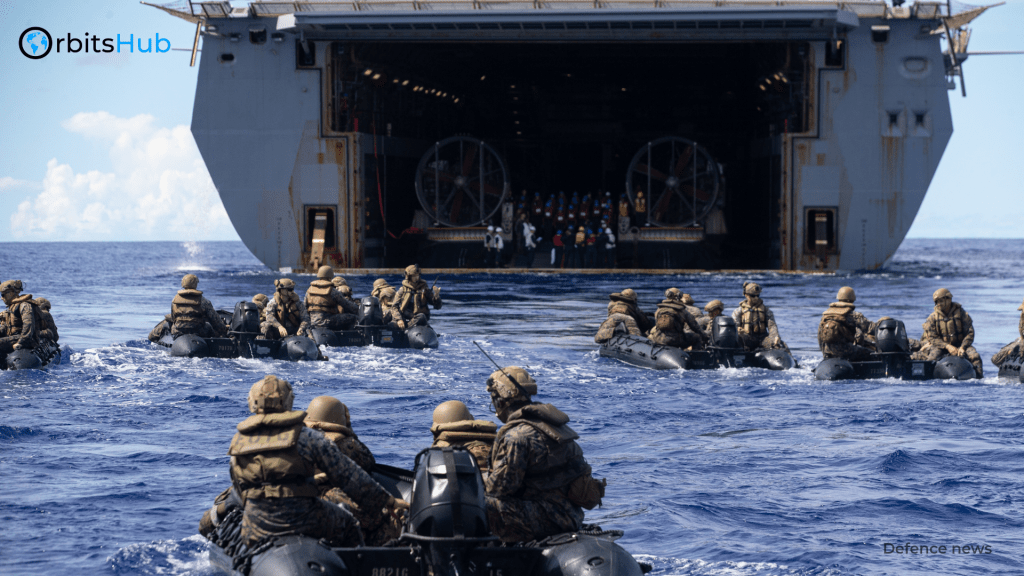
In the modern world, the role of amphibious assault ships is constantly evolving. In 2021, the United States Navy operated more than 30 amphibious assault ships capable of carrying more than 60,000 troops and thousands of vehicles. These ships were instrumental in numerous operations, including combat deployments, humanitarian missions, and disaster relief efforts.
Similarly, India’s naval fleet has undergone significant upgrades, with the addition of new amphibious assault ships like the INS Jalashwa, which can carry over 1,000 soldiers, along with their equipment and vehicles. This allows India to maintain a strong presence in the Indian Ocean region and beyond, ensuring that they can quickly respond to any conflict or disaster.
The Future of Amphibious Assault Ships
As warfare becomes increasingly complex, the role of amphibious assault ships will continue to evolve. Future designs are expected to incorporate advanced technology, such as unmanned vehicles, AI, and next-generation aviation platforms.
Furthermore, with the rising emphasis on joint military operations, amphibious assault ships will continue to play a crucial role in coordinating land, sea, and air forces. These ships will spearhead the amphibious warfare revolution that is coming soon, which is characterized by increased coordination and agility.
Frequently Asked Questions
1. What is the primary function of amphibious assault ships?
Amphibious assault ships transport and deploy military forces. These ships are designed to land troops, vehicles, and equipment in hostile or difficult-to-reach areas.
2. Why are amphibious assault ships important for national defence?
These ships provide unparalleled strategic flexibility, allowing nations to project power globally, respond quickly to crises, and conduct large-scale amphibious operations, making them essential for maintaining military supremacy.