1. Geirangerfjord: A UNESCO World Heritage Site
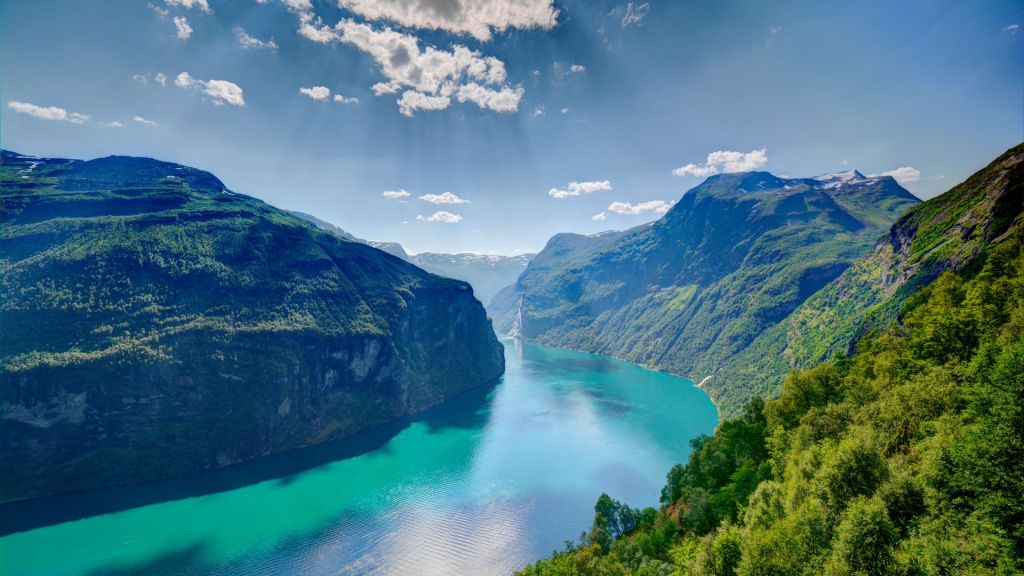
Geirangerfjord, a natural wonder of Norway and a UNESCO World Heritage Site, is our first destination. This 15-kilometer long fjord is renowned for its steep cliffs, ancient farmsteads, and the spectacular Seven Sisters waterfall. As you cruise through the deep blue waters of Geirangerfjord, the sheer magnificence of the surrounding mountains will leave you in awe. Don’t forget to capture the breathtaking views from the various lookout points along the mountain roads.
What’s the best way to get to Geirangerfjord?
To reach Geirangerfjord, located in western Norway, you have several options:
- By car: Drive to the area via the scenic National Tourist Routes. The most famous approach is via the Eagle Road (Ørnevegen) from Eidsdal.
- By bus: Take a bus from major Norwegian cities to Geiranger village.
- By ferry: Take a ferry from nearby towns like Hellesylt or Ålesund for a scenic approach through the fjord.
- By cruise ship: Many cruise lines include Geirangerfjord in their Norwegian itineraries.
- By air: Fly to Ålesund Airport, then take a bus or rent a car for the remaining journey (about 2-3 hours).
The best option depends on your starting point, budget, and preferred travel style.
2. Nærøyfjord: A Narrow Marvel

Next on our list is the enchanting Nærøyfjord. This narrow, 18-kilometer long fjord is a true hidden gem. With its steep sides and crystal-clear waters, Nærøyfjord offers a sense of tranquility and serenity like no other. As you sail through this UNESCO-listed fjord, you’ll be captivated by the picturesque landscapes, charming villages, and cascading waterfalls. For the adventurous souls, kayaking along Nærøyfjord is an exhilarating experience that allows you to get up close and personal with its natural wonders.
What’s the best way to get to Nærøyfjord?
Nærøyfjord, another stunning fjord in western Norway, can be reached through several means:
- By car: Drive to Gudvangen or Flåm, towns at either end of the fjord. The route from Bergen is particularly scenic.
- By ferry: Take a ferry from Gudvangen to Flåm, which travels through Nærøyfjord. This is a popular and scenic option.
- By bus: Take a bus to Gudvangen or Flåm from larger cities like Bergen or Oslo.
- By train: Take the famous Flåm Railway to Flåm, then connect to a fjord cruise.
- By organized tour: Many tour operators offer day trips or longer excursions that include Nærøyfjord.
- By air: You can fly to Bergen or Oslo and then get to the fjord area by train, bus, or car.
The best method depends on your starting point and preferences. The ferry ride through the fjord is highly recommended for the views.
3. Aurlandsfjord: A Photographer’s Paradise
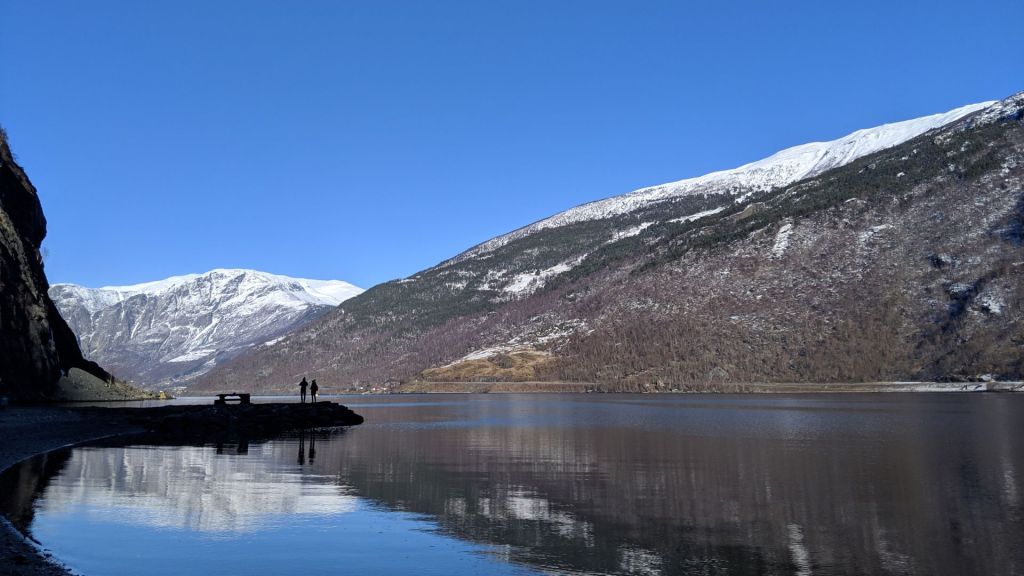
Aurlandsfjord, a branch of the magnificent Sognefjord, is a true paradise for photographers. This stunning fjord is famous for its deep, narrow characteristics and the iconic Stegastein viewpoint, which offers panoramic views of the surrounding landscapes. The still waters of Aurlandsfjord are surrounded by majestic mountains, creating a picturesque setting that will leave you mesmerized. Don’t miss the opportunity to explore the charming village of Flåm, located on the shores of Aurlandsfjord, and immerse yourself in the local culture and traditions.
What’s the best way to get to Aurlandsfjord?
Aurlandsfjord is located in the same region as Nærøyfjord and can be reached through similar methods:
- By car: Drive to Flåm or Aurland, towns situated along the fjord. The drive from Bergen or Oslo is scenic but can be long.
- By ferry: Take a ferry from Flåm that travels through Aurlandsfjord. This option offers stunning views of the fjord.
- By train: Take the Bergen Railway to Myrdal, then connect to the famous Flåm Railway to reach Flåm at the end of Aurlandsfjord.
- By bus: Take a bus to Flåm or Aurland from larger cities like Bergen or Oslo.
- By organized tour: Many tour operators offer trips that include Aurlandsfjord, often combined with Nærøyfjord.
- By air: Your options for getting to the fjord area are by plane to Bergen or Oslo, then by train, bus, or car.
The Flåm Railway journey combined with a fjord cruise is a popular and scenic way to experience Aurlandsfjord.
4. Lysefjord: A Hiker’s Delight
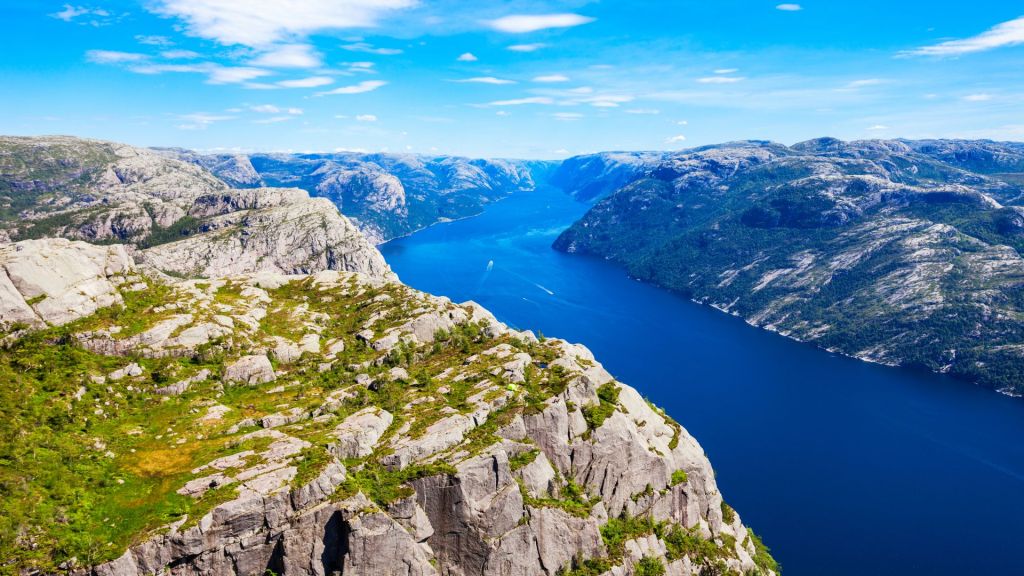
For the adventurous souls and avid hikers, Lysefjord is a must-visit destination. This 42-kilometer long fjord is known for its dramatic cliffs, including the iconic Preikestolen (Pulpit Rock) and Kjeragbolten. The views from these towering cliffs are simply breathtaking, offering a sense of accomplishment and awe. If you’re up for a challenge, embark on the Flørli Steps hike, which consists of 4,444 wooden steps leading to stunning viewpoints and the beautiful Kleivafossen waterfall. Lysefjord is a paradise for outdoor enthusiasts, offering a wide range of hiking and adventure activities.
What’s the best way to get to Lysefjord?
Lysefjord, famous for its iconic Preikestolen (Pulpit Rock) and Kjeragbolten, can be reached through several means:
- By car: Drive to Forsand or Lysebotn, towns near the fjord. From Stavanger, it’s about a 1-hour drive to Forsand.
- By ferry: Take a fjord cruise from Stavanger, which is the most popular and scenic way to experience Lysefjord.
- By bus: Take a bus from Stavanger to Forsand or other nearby towns, then connect to local transport or hiking trails.
- By organized tour: Many operators offer day trips from Stavanger that include a fjord cruise and sometimes hiking to Preikestolen.
- By air: Fly to Stavanger Airport (Sola), then use local transport to reach the fjord area.
- By combination: Some visitors choose to take a ferry into the fjord and then hike to viewpoints like Preikestolen.
The most common and recommended way is to start from Stavanger, taking either a fjord cruise or driving to a trailhead for hiking.
5. Trollfjord: A Hidden Gem
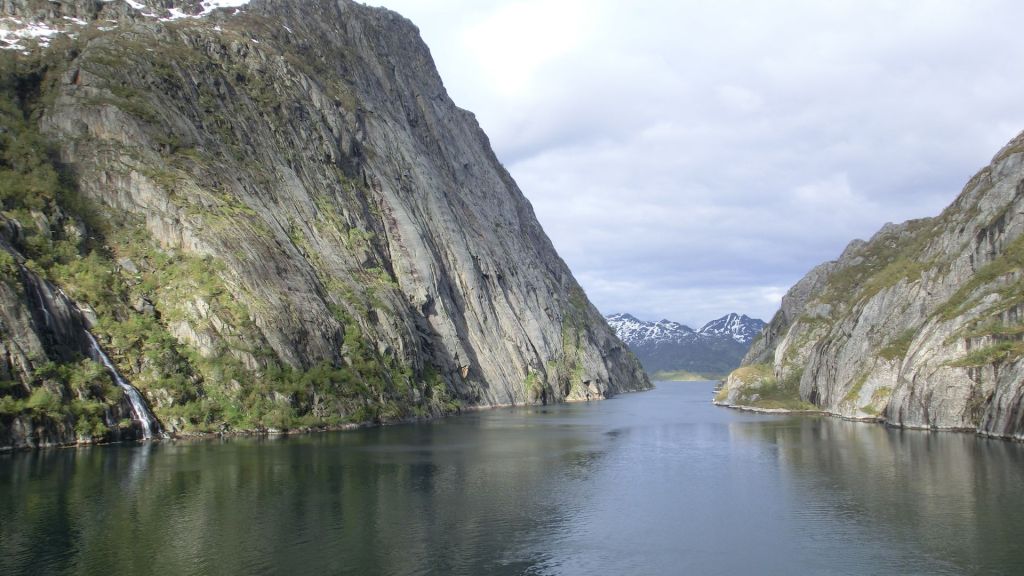
Hidden away in the Raftsundet Strait, the Trollfjord is a narrow, 1.5-mile long fjord that offers a sense of seclusion and tranquility. Surrounded by steep mountain sides, this fjord is a true hidden gem. The entrance to Trollfjord is so narrow that it can only be accessed by small boats or cruise ships. As you navigate through the fjord, keep an eye out for the majestic sea eagles soaring above. Trollfjord is a place of raw beauty, untouched by the bustling crowds, and a perfect spot to reconnect with nature.
What’s the best way to get to Trollfjord ?
Trollfjord, a narrow fjord located in the Lofoten and Vesterålen archipelago in northern Norway, is primarily accessible by boat. Here are the main ways to reach it:
- By cruise ship: Many coastal cruise lines, including Hurtigruten, include Trollfjord in their itineraries.
- By day trip boat: Take a boat tour from nearby towns like Svolvær or Stokmarknes. These often include wildlife watching and sometimes sea eagle safaris.
- By private boat: You can get into Trollfjord on your own if you have a private boat or yacht.
- By organized tour: Many local tour operators offer day trips or excursions to Trollfjord, often combined with other attractions in the area.
- To get to the region:
- Fly to Svolvær Airport or Harstad/Narvik Airport, then take local transport to a coastal town.
- Drive or take a bus to one of the coastal towns in Lofoten or Vesterålen.
It’s important to note that Trollfjord itself is not accessible by road, and the fjord’s entrance is so narrow that only smaller vessels can enter. The most common and recommended way to experience Trollfjord is through a boat tour from one of the nearby towns.
6. Oslofjord: A Capital City Escape

While not a traditional fjord, the Oslofjord offers a unique opportunity to experience Norway’s outdoor lifestyle without venturing far from the capital city. Located just a short ferry ride from Oslo, the Oslofjord is a playground for water enthusiasts. Explore the diverse islands, visit the nature reserve of Hovedøya with its ancient ruins, or discover the charming fishing village of Drøbak. The Oslofjord may not have the steep cliffs and waterfalls of the western fjords, but it offers a refreshing escape to nature just a stone’s throw away from the bustling city.
What’s the best way to get to Oslofjord ?
Oslofjord is easily accessible as it’s located right next to Oslo, Norway’s capital city. Here are the main ways to reach and experience Oslofjord:
- By public transport:
- Use Oslo’s public transportation system to reach various points along the fjord.
- Take ferries from the city center to islands in the fjord like Hovedøya or Bygdøy.
- By car: Drive along the fjord’s coastline. There are numerous scenic routes and viewpoints.
- By boat:
- Take sightseeing cruises that depart from the Oslo harbor.
- Rent a small boat or kayak to explore the fjord on your own.
- By foot or bicycle: Many hiking and cycling paths run along the fjord’s shores.
- To get to Oslo:
- Fly into Oslo Airport (Gardermoen)
- Take a train to Oslo Central Station
- Drive to Oslo if coming from elsewhere in Norway or neighboring countries
- By organized tour: Many tour operators offer fjord cruises or combo tours of Oslo and the fjord.
Since Oslofjord is so close to Oslo, it’s very easy to access and can be incorporated into a visit to the city. Many attractions in Oslo, like the Opera House and the Bygdøy museums, offer views of the fjord.
7. Nordfjord: A Cruise Ship Destination

Stretching 106 kilometers between the Storfjord and Sognefjord, the Nordfjord is a popular destination for cruise ships. This fjord passes through Norway’s wildest coastline, showcasing spectacular mountains, valleys, and glaciers. Popular outdoor pursuits in the Nordfjord region include hiking and cycling, which allow visitors to marvel at the region’s breathtaking scenery. The village of Olden, nestled along the Nordfjord, serves as a gateway to the famous Briksdal Glacier. Take a leisurely stroll to the glacier arm and be rewarded with stunning views and the soothing sound of cascading water.
What’s the best way to get to Nordfjord?
Nordfjord, located in western Norway between Sunnmøre and Sognefjord, can be reached through several means:
- By car: Drive to the region via the scenic routes. The fjord stretches from Stryn in the east to Måløy on the coast.
- By bus: Take long-distance buses from major cities like Bergen or Oslo to towns in the Nordfjord region, such as Stryn or Nordfjordeid.
- By air:
- Fly to Sandane Airport (Anda) in Nordfjord
- Alternatively, fly to larger airports like Bergen or Ålesund, then take a bus or rent a car
- By boat: Take a fjord cruise from coastal towns in the region.
- By train and bus combination: Take a train to Otta or Åndalsnes, then connect with a bus to the Nordfjord area.
- By organized tour: Many tour operators include Nordfjord in their western Norway itineraries.
The best method depends on your starting point and which part of Nordfjord you want to visit. The region is quite large, so a car gives you the most flexibility to explore different areas.
8. Hjørundfjord: A Hidden Beauty

One of the lesser-known fjords on our list, the Hjørundfjord, offers a sense of tranquility and accessibility. Located near Ålesund, this fjord is surrounded by the majestic Sunnmøre Alps, providing a picturesque backdrop. Hjørundfjord is often referred to as the “Royal Route” due to its historical association with European royalty. From easy paths perfect for families to more difficult hikes, the area is a hiker’s paradise. With its alpine scenery and easy accessibility, Hjørundfjord is a hidden beauty waiting to be explored.
What’s the best way to get to Hjørundfjord ?
Hjørundfjord, a beautiful and less touristy fjord in the Sunnmøre region of western Norway, can be reached in several ways:
- By car: Drive to towns along the fjord like Øye, Sæbø, or Trandal. The drive offers scenic views but can involve ferries and mountain passes.
- By ferry: Take a ferry from Ålesund to Sæbø or other small villages along the fjord. This offers a scenic approach through the fjord.
- By bus: Take a bus from Ålesund to villages like Sæbø. However, services may be limited, so check schedules in advance.
- By organized tour: Some tour operators, including Hurtigruten, offer excursions to Hjørundfjord from Ålesund.
- By air: Fly to Ålesund Airport (Vigra), then use local transport or rent a car to reach the fjord area.
- By boat tour: Take a fjord cruise from Ålesund that includes Hjørundfjord in its itinerary.
To get to the region, most visitors first travel to Ålesund, then make their way to Hjørundfjord from there. The fjord is less developed for tourism compared to some others, which can make it more peaceful but also potentially more challenging to access.
9. Sognefjord: The King of Fjords
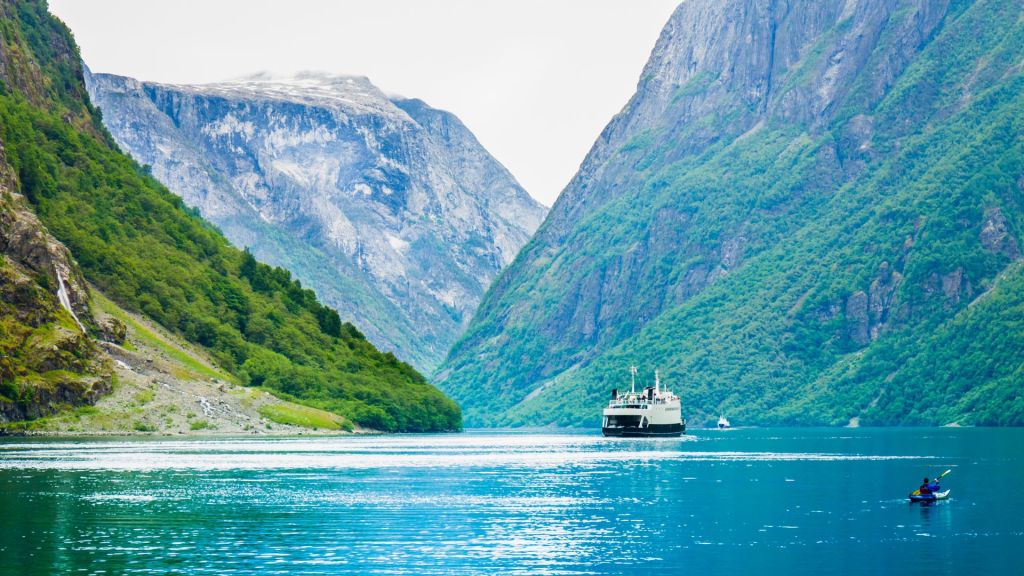
As the longest and deepest fjord in Norway, Sognefjord holds the title of the “King of Fjords.” Divided in half by Sognefjord, the fjord nation is home to a wide variety of ecosystems and cultural practices. From the majestic Nærøyfjord to the picturesque Aurlandsfjord, this fjord system is a living museum of natural and cultural wonders. Explore the charming villages, visit ancient farmsteads, and embark on breathtaking hikes that showcase the sheer grandeur of Sognefjord. Sognefjord is an ideal location for adventurers and ecotourists due to its year-round ferry services and easy accessibility.
What’s the best way to get to Sognefjord?
Sognefjord, Norway’s longest and deepest fjord, offers several ways to access its beauty:
- By car: Drive to towns along the fjord like Flåm, Balestrand, or Sogndal. This offers flexibility to explore different areas.
- By ferry: Take fjord cruises or car ferries that operate between various points along Sognefjord.
- By bus: Use long-distance buses from major cities to reach towns in the Sognefjord area.
- By train:
- Take the Bergen Railway to Myrdal, then connect to the famous Flåm Railway to reach Flåm on Aurlandsfjord (a branch of Sognefjord).
- Alternatively, take the train to Flåm and explore from there.
- By air: You can fly to Bergen or Oslo and then get to the fjord area by train, bus, or car.
- By organized tour: Many operators offer day trips or longer excursions that include Sognefjord.
- By boat: Take a fjord cruise from Bergen that travels into Sognefjord.
The best method depends on which part of Sognefjord you want to visit, as it’s a vast area. A combination of transport methods (e.g., train to Flåm, then a fjord cruise) is popular for experiencing different perspectives.
10. Hardangerfjord: Nature’s Playground

Rounding up our list is the magnificent Hardangerfjord, a playground for nature lovers. Known for its lush surroundings, blooming orchards, and stunning waterfalls, Hardangerfjord offers a wide range of activities for every traveler. Explore the majestic Folgefonna Glacier and the vast Hardangervidda mountain plateau, or simply relax in one of the charming small towns along the fjord. Hiking enthusiasts will find an abundance of trails to explore, while those seeking a more leisurely experience can embark on a scenic road trip along the fjord’s edge. Hardangerfjord is a true testament to Norway’s natural beauty and a perfect destination for outdoor adventures.
What’s the best way to get to Hardangerfjord?
Hardangerfjord, Norway’s second-longest fjord, can be reached through several means:
- By car: Drive to towns along the fjord like Odda, Eidfjord, or Ulvik. This offers flexibility to explore the region at your own pace.
- By ferry: Take fjord cruises or car ferries that operate between various points along Hardangerfjord.
- By bus: Use long-distance buses from Bergen or Oslo to reach towns in the Hardangerfjord area.
- By train and bus combination:
- Take the Bergen Railway to Voss, then connect to a bus to reach fjord-side towns.
- Some routes might involve the scenic Flåm Railway as part of the journey.
- By air: Fly to Bergen Airport, then use local transport or rent a car to reach the fjord area (about 2-3 hours drive).
- By organized tour: Many operators offer day trips or longer excursions from Bergen that include Hardangerfjord.
- By boat: Take a fjord cruise from Bergen that travels into Hardangerfjord.
The best method depends on which part of Hardangerfjord you want to visit and your starting point. Many visitors combine a trip to Hardangerfjord with visits to nearby attractions like the Vøringsfossen waterfall or the Trolltunga hike.
Exploring Norway’s fjords offers an unforgettable journey through some of the world’s most stunning landscapes. From Geirangerfjord’s awe-inspiring cliffs to Nærøyfjord’s serene waters, each fjord showcases Norway’s rich natural beauty and cultural heritage. Enjoy panoramic views in Aurlandsfjord, thrilling hikes in Lysefjord, and Trollfjord’s secluded charm. Oslofjord provides an urban escape, while Nordfjord and Hjørundfjord offer immersive, less crowded experiences. The grandeur of Sognefjord and the lush landscapes of Hardangerfjord highlight diverse attractions. Whether cruising, hiking, or soaking in views, Norway’s fjords promise countless adventures and lasting memories.